
What your smile says about you goes deeper than looks. Discover the powerful truth behind confidence, insecurity, and how a smile shapes perception.
Before you say a single word in a room, before anyone knows your name, your job, or your story, your smile has already started telling people something about you. It’s one of the fastest, most instinctive pieces of information humans process about each other, and understanding what your smile says about you, genuinely, honestly, and backed by real psychology, can change how you think about both your confidence and your dental health.
This guide explores what your smile says about you from multiple angles, the science behind first impressions, why smile-related insecurity runs deeper than most people admit, whether fixing it genuinely changes how confident you feel, and what that means if you’ve been quietly putting off a smile you’re not proud of.
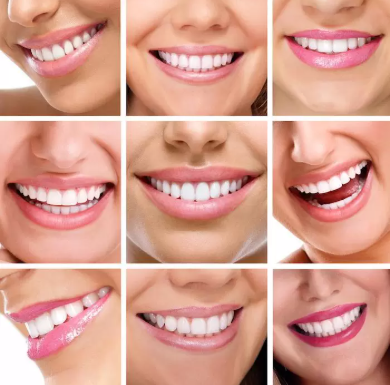
The Science of First Impressions: What Your Smile Says About You and Why Your Smile Speaks First
Research in social psychology consistently shows that people form judgments about trustworthiness, warmth, and competence within a fraction of a second of seeing someone’s face, often before any conscious reasoning kicks in. A smile is one of the most heavily weighted signals in that split-second read. It’s processed almost instinctively as a marker of approachability and openness, which is exactly why what your smile says about you matters so much, even in contexts that have nothing directly to do with your teeth.
This isn’t vanity or superficiality, it’s simply how human social processing works, wired into us long before cosmetic dentistry or modern beauty standards ever existed.
What Your Smile Says About You in Everyday Situations
In Professional Settings
A relaxed, genuine smile during a job interview, a client meeting, or a presentation signals confidence and ease, two qualities that influence how competent and trustworthy you’re perceived to be, often independent of what you actually say. Conversely, consciously suppressing your smile, covering your mouth, or speaking with tight lips can unintentionally read as discomfort or guardedness, even when that’s not the intention at all.
In Social and Romantic Contexts
In dating and social settings, a genuine, unselfconscious smile is consistently rated as one of the most attractive, approachable traits a person can display, often outweighing more conventional markers of appearance. What your smile says about you in these moments often has less to do with symmetry or whiteness and more to do with authenticity, people can usually tell the difference between a real smile and a tense, guarded one.
In How You See Yourself
Perhaps the most important dimension of what your smile says about you is internal, not external. People who feel self-conscious about their teeth often develop a habit of smiling less, covering their mouth, or angling away from cameras, small behaviors that, over years, can genuinely shape self-image and social confidence, independent of how others actually perceive them.
Why Smile-Related Insecurity Runs Deeper Than People Admit
It’s a surprisingly common but rarely discussed form of insecurity. Surveys on self-consciousness consistently rank teeth and smile appearance among the top physical features people feel anxious about, often ranking above other, more openly discussed insecurities. Yet because it feels like a “small” or “vain” thing to admit, many people quietly manage around it for years, avoiding photos, holding back genuine laughter, or speaking with a hand near their mouth, rather than addressing the root cause directly.
What your smile says about you, in this sense, often isn’t really about your teeth at all, it’s about the gap between how you want to show up in the world and how self-conscious you actually feel doing it.
Does Fixing Your Smile Actually Boost Confidence, or Is That Just Marketing?
This is a fair, skeptical question worth answering honestly rather than dismissively. Research on cosmetic dental treatment outcomes consistently shows measurable improvements in self-reported confidence, social comfort, and even willingness to smile more openly in photos and social situations following treatment like whitening, veneers, or orthodontics. This isn’t simply a placebo effect or marketing spin, it reflects a genuine psychological shift that happens when a long-standing source of self-consciousness is finally addressed.
That said, it’s worth being equally honest about the limits. Cosmetic treatment resolves insecurity specifically tied to smile appearance, it’s not a universal confidence fix for unrelated struggles. For the specific population of people whose self-consciousness genuinely centers on their teeth, though, the improvement tends to be real, consistent, and lasting, which is exactly why this is worth taking seriously as more than just an aesthetic question.
Common Smile Concerns Behind This Kind of Insecurity
- Discoloration or staining that feels embarrassing in photos or close conversation
- Gaps, crowding, or visible misalignment that draws unwanted attention
- Chipped or worn teeth that feel like a visible flaw every time you smile
- A gummy smile that feels disproportionate or self-conscious to show fully
- Missing teeth that create real hesitation about smiling or laughing openly
- Old, mismatched dental work that feels like a constant, visible reminder rather than a fix
Recognizing which of these specifically applies to you is often the first real step toward addressing what your smile says about you, both to others and, just as importantly, to yourself.
How to Start Addressing It, Without Overhauling Everything at Once
Start With a Genuine, Judgment-Free Evaluation
Understanding what your smile says about you clinically, not just emotionally, starts with a proper evaluation of what’s actually driving the self-consciousness. Sometimes it’s one specific, fixable concern rather than an entire smile overhaul, and knowing the difference matters for both your wallet and your expectations.
Consider What Specifically Bothers You Most
Rather than assuming you need everything fixed at once, pinpointing the one or two things that genuinely bother you, color, a specific chip, spacing, often leads to a more targeted, less overwhelming treatment plan.
Ask About a Preview Before Committing
Many cosmetic treatments today offer some form of digital preview or mockup, letting you see an approximate result before committing to anything permanent, which can meaningfully reduce the anxiety of not knowing what you’re actually walking into.
Remember This Is a Gradual Process for Many People
Not every smile concern needs a dramatic, all-at-once transformation. Whitening first, then addressing one specific chip or gap later, is a completely valid, lower-pressure way to approach treatment over time.
Frequently Asked Questions
Is it shallow to care about what your smile says about you? Not at all. Given how heavily human social processing weighs facial expressions and smiles specifically, caring about this is a genuinely normal response to how deeply it affects everyday interactions, not vanity.
Can confidence really improve after cosmetic dental treatment, or is it temporary? Research generally shows lasting improvement, particularly because the change addresses an ongoing daily source of self-consciousness rather than a one-time event, the confidence tends to persist well beyond the initial excitement of a new smile.
What if I can’t afford to fix everything I’m self-conscious about at once? Addressing even one specific concern, like discoloration or a single chipped tooth, can meaningfully shift what your smile says about you and how confident you feel, a full smile makeover isn’t the only path to meaningful improvement.
Does a “perfect” smile actually matter more than a genuine one? No, research consistently shows authenticity matters more than perfection in how smiles are perceived socially. The goal of addressing smile concerns isn’t a flawless, uniform result, it’s removing the specific thing that’s been holding you back from smiling genuinely and often.
How do I know if my smile concern is purely cosmetic or also a dental health issue? A proper dental evaluation can clarify this, many cosmetic concerns, like chips, wear, or old dental work, often overlap with underlying structural issues worth addressing for health reasons as well as appearance.
Conclusion
What your smile says about you reaches far beyond simple aesthetics, it shapes split-second first impressions, influences how open and confident you come across in everyday interactions, and, for many people, quietly affects how freely they laugh, speak, and show up in photos over years of unaddressed self-consciousness. Understanding this isn’t about chasing perfection, it’s about recognizing that addressing a genuine, specific concern can meaningfully change both how you’re perceived and, just as importantly, how confident you actually feel day to day.
If you’ve been quietly managing around a smile you’re not proud of, it’s worth having an honest, judgment-free evaluation to understand what’s really driving that feeling, and what your realistic options actually are.
At Joglekar’s Dental Solutions, cosmetic consultations start with an honest, judgment-free conversation about what’s genuinely bothering you about your smile, ensuring any treatment plan addresses the real concern rather than assuming a full overhaul is needed. You can click here to see what our smiling patients say about us!