
Tooth Abscess symptoms explained. Discover 9 critical warning signs, pain relief options, and when to seek emergency dental care in Chinchwad, Pune.
A sudden toothache can ruin an ordinary day. It might start as a mild discomfort while drinking tea, then become a throbbing pain that makes chewing difficult or keeps you awake at night. Sometimes, you may notice a swollen gum, a small pimple near a tooth, or a strange taste in your mouth. In other cases, the pain unexpectedly disappears, leaving you wondering whether the problem has solved itself.
A tooth abscess is one possible explanation for these symptoms. It is a collection of pus caused by a bacterial infection in or around a tooth. While many cases can be treated successfully by a dentist, untreated infections can spread. Knowing what is ordinary dental urgency and what is a medical emergency helps you act at the right time.
This guide explains what the condition feels like, why tooth abscess happens, nine warning signs to recognize, how dentists treat it, and when not to wait for an appointment.
Important: Seek emergency hospital care immediately if dental pain or swelling comes with difficulty breathing, swallowing or speaking; swelling around the eye or changes in vision; rapidly increasing swelling of the mouth, face or neck; or severe difficulty opening your mouth. Fever with facial swelling or feeling seriously unwell also warrants urgent medical assessment. Do not wait for the pain to become unbearable.
What is a Dental Tooth Abscess?
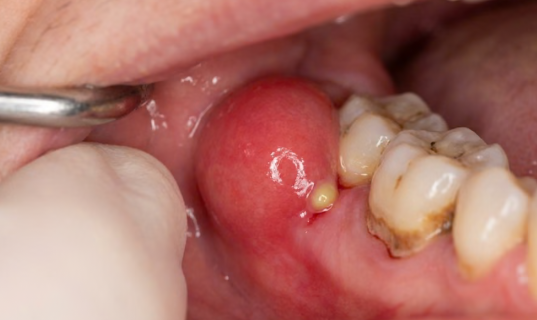
A tooth abscess forms when bacteria trigger an infection and pus collects in the tissues around a tooth. Pus contains immune cells, bacteria, and tissue debris. The resulting pressure and inflammation may produce strong pain, tenderness, and swelling. However, some abscesses cause surprisingly little pain, especially if they drain into the mouth.
There are two common pathways. Infection may begin inside the tooth and reach the tip of its root, or it may begin in the gums and supporting tissues surrounding the tooth. The difference matters because treatment must address the original source, not simply make the swelling disappear.
A Tooth Abscess is not the same as ordinary sensitivity. Sensitivity to cold can have several explanations, such as exposed dentine, a damaged restoration, or inflamed pulp. A dentist must examine the area to determine whether infection is present.
How does the infection begin?
Understanding the journey of a tooth abscess makes its symptoms easier to recognize. A tooth is protected by enamel and dentine, but its center contains a soft tissue called the pulp, which has blood vessels and nerves. Deep decay, a crack, an injury, or sometimes leakage around an old restoration can allow bacteria to reach that space.
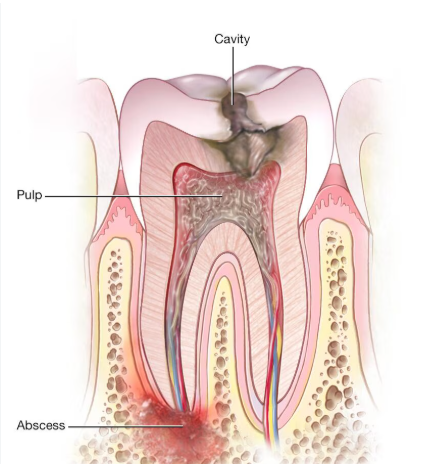
At first, the pulp may become inflamed, causing sensitivity to hot or cold food. If the damage progresses and the pulp loses its blood supply, the tissue can die. Bacteria may then multiply within the root canal system and trigger inflammation around the root tip. Over time, a pocket of infection can develop.
A different pathway begins in the supporting gums. Advanced gum disease can create deep pockets beside the roots, where bacteria and debris collect. Food impaction or a blocked periodontal pocket may contribute to an acute flare-up.
Not every cavity produces a Tooth Abscess, and not every painful tooth is infected. The exact cause needs a clinical diagnosis.
The different types you should know
Dentists often distinguish a tooth abscess by where the infection begins:
Periapical abscess: infection near the root tip
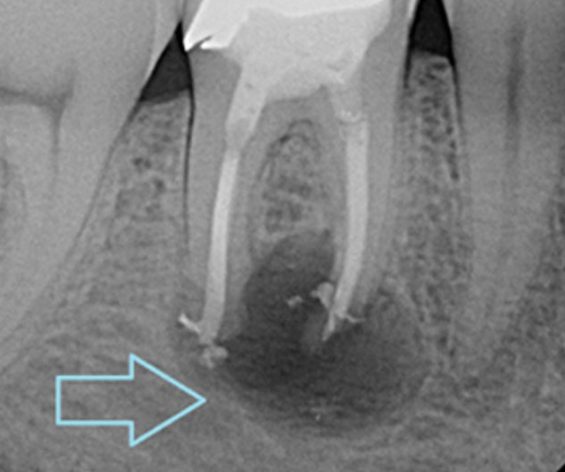
This commonly follows infection or death of the pulp inside a tooth. A patient may report a history of deep decay, previous severe sensitivity, a cracked tooth, or an old root canal. The tooth may be painful to bite on, but it can also become relatively painless and show a swelling or a draining gum pimple.
Treatment often involves root canal treatment, root canal retreatment where appropriate, or extraction if the tooth cannot be predictably saved.
Periodontal abscess: infection around the supporting tissues
This starts in the gum and bone supporting the tooth, often in association with a deep periodontal pocket. The gum may be tender and swollen, and the tooth may feel loose or uncomfortable when biting. Management focuses on drainage and treatment of the periodontal problem; a root canal is not automatically needed.
Gingival abscess: a more localised gum infection
Sometimes an isolated infection develops in the gum tissue, for example around trapped debris. The dentist must identify and remove the cause. A gum swelling can resemble other oral conditions, so appearance alone is not enough for diagnosis.
What does it actually feel like? 9 warning signs
A tooth abscess does not feel identical in every person. Symptoms depend on the source of infection, whether pus can drain, which tissues are involved, and how your body responds. Look for the following nine signs, especially when more than one occurs together.
1. Deep, throbbing or persistent toothache
The classic description is a strong, pulsing pain that seems to come from deep inside the jaw. Some people say they can feel their heartbeat in the tooth. Others experience a constant ache with sudden sharp episodes. The discomfort may interfere with sleep, concentration, eating, or ordinary conversation.
A tooth abscess can also cause pain that radiates toward the ear, temple, or jaw, making it hard to identify the exact tooth. Severe pain is a reason to seek urgent dental care, but pain intensity alone cannot tell you how far an infection has spread.
2. Pain when biting, chewing, or touching the tooth
You may feel that a tooth has become “high” or that it touches the opposite tooth before the others. Inflammation around the root can make even gentle biting uncomfortable. Chewing on one side may become your temporary habit.
This can also occur with cracked teeth or other dental conditions, so it is a useful clue rather than proof of a Tooth Abscess.
3. Swollen, red, tender gum
The gum beside the affected tooth may look puffy and feel sore when touched. A swelling may appear near the root of the tooth or alongside a deeper gum pocket. It can begin as a small localised area and sometimes become much larger.
Do not squeeze the swelling or try to open it with a pin or sharp object. That risks injury and does not remove the underlying infection.
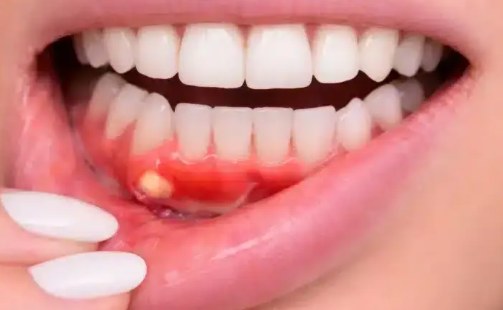
4. A gum pimple, boil, or recurring discharge
A small raised spot on the gum can be an opening through which infection drains. Dentists may call this a sinus tract. It can release a little pus, shrink, and appear again. Patients occasionally mistake it for a simple mouth ulcer.
A recurring gum pimple is not normal, even when it does not hurt. It needs examination to find the source.
5. Bad taste, unpleasant breath, or sudden fluid release
When a tooth abscess drains, you may notice a salty, bitter, or unpleasant taste and a sudden reduction in pressure. The bad taste can return if the drainage continues. Bad breath has many possible causes, but in combination with a swollen gum or toothache it deserves attention.
6. Sensitivity to hot or cold foods and drinks
A painful response to temperature may occur before or during a pulp-related problem. Some people feel lingering pain after a hot drink; others notice a change in how a previously sensitive tooth responds.
Once the pulp is no longer vital, a tooth may stop responding to cold altogether. Therefore, the absence of cold sensitivity does not rule out infection.
7. Swelling of the cheek, jaw, or face
A visibly swollen cheek suggests the inflammation is no longer confined to a tiny gum area. The swelling may feel warm, tense, or tender. Sometimes the face becomes asymmetrical within hours.
New facial swelling requires prompt professional assessment. If it is spreading quickly, reaching the eye or neck, or accompanied by fever or difficulty swallowing, use emergency medical services rather than waiting for a routine dental appointment.
8. Fever, fatigue, or tender neck glands
A temperature, chills, unusual tiredness, or painful lymph nodes beneath the jaw can suggest the body is responding to a spreading infection. Not everyone develops a fever, and taking fever-reducing medicine may temporarily hide it.
Fever together with facial swelling is especially concerning. People with diabetes or reduced immunity may need a lower threshold for urgent assessment.
9. Trouble opening the mouth, swallowing, or speaking normally
Increasing stiffness when opening your mouth can occur when deeper tissues become involved. Painful swallowing, a changed voice, drooling, difficulty handling saliva, or any breathing difficulty are particularly serious signs.
These symptoms can indicate an infection extending beyond the immediate tooth region. Go directly to a hospital emergency department if they occur, particularly if they are progressing.
Can an infected tooth stop hurting while the infection continues?
Yes. This is one of the most misleading features of a tooth abscess. Pain may decrease because the nerve tissue inside the tooth has died, because the pressure has been relieved through a drainage opening, or because medication has temporarily reduced inflammation.
Imagine a patient who has three nights of intense pain. On the fourth morning, the pain is almost gone, but a small swelling appears on the gum. The patient may think, “It healed on its own.” In reality, the infection may still be present and may continue to affect the surrounding tissues.
Pain relief and infection control are not the same thing. If you have unexplained gum swelling, a recurring gum pimple, or a tooth that suddenly stopped hurting after severe pain, arrange a dental examination.
When is it urgent, and when is it a hospital emergency?
The safest way to approach a suspected tooth abscess is to separate three situations.
| What you notice | What to do |
|---|---|
| Localised toothache, tenderness, gum swelling, or a gum pimple, without systemic warning signs | Contact a dentist promptly, ideally for assessment the same day or as soon as practical. Do not wait for a routine six-month check-up. |
| New facial swelling, fever, worsening pain or swelling, or feeling unwell | Seek urgent same-day assessment. Depending on severity and access to dental care, a hospital assessment may be needed. |
| Trouble breathing, swallowing, or speaking; swelling near the eye or vision changes; rapidly spreading facial or neck swelling; marked difficulty opening the mouth | Go to a hospital emergency department immediately. |
This is a practical guide, not a diagnosis. If you are uncertain, especially when symptoms are worsening quickly, seek urgent clinical assessment.
Why breathing or swallowing problems are an emergency
An infection from a lower tooth can sometimes spread into spaces beneath the tongue or jaw. In severe cases, swelling in these areas can threaten the airway. An upper-tooth infection may sometimes spread toward the tissues around the eye. Both situations require medical evaluation and potentially hospital-based treatment.
Do not try to judge safety by how much pain you feel. Swelling location, speed of progression, ability to swallow, breathing, temperature, overall health, and examination findings matter more than a simple pain score.
Can it become life-threatening?
Most dental infections can be treated before they reach this stage. However, an untreated tooth abscess can occasionally progress to serious facial or neck infection, deep-space infection, or a widespread response to infection such as sepsis. These outcomes are uncommon but important because delay can be dangerous.
The purpose of recognising warning signs is not to cause fear. It is to prevent a manageable dental problem from becoming a medical crisis.
What happens when you visit the dentist?
If you suspect a tooth abscess, your dentist will generally begin by asking when the pain started, whether it is getting worse, whether you have swelling, and whether you have noticed fever or discharge. Medical conditions, allergies, current medicines, and previous treatment of that tooth are also relevant.
Step 1: Clinical examination
The dentist examines the tooth, gum, nearby tissues, and bite. The tooth may be gently tapped or tested for sensitivity to cold. A periodontal probe can help identify a deep gum pocket. The clinician may also assess facial swelling and how comfortably you can open your mouth.
Step 2: Appropriate imaging
A small dental X-ray often provides important information about decay, the root, surrounding bone, or earlier root canal work. Not every infection is clearly visible on an early X-ray, so findings must be interpreted alongside symptoms and clinical tests.
For selected difficult cases, such as uncertain diagnosis, complex root anatomy, suspected cracks, or evaluation of previously treated teeth, a CBCT scan may be helpful. CBCT provides three-dimensional information, but it is not a routine requirement for every abscess. Dentists should consider whether a lower-radiation two-dimensional image can answer the question first.
Step 3: Identify the source
The key decision is whether the infection begins inside the root canal, in the tissues supporting the tooth, or from another source. That determines whether the appropriate treatment is drainage, root canal treatment, gum treatment, extraction, or a combination of approaches.
How do dentists treat the infection?
The main aim of treating a tooth abscess is to control the infection at its source, relieve pain and pressure, and preserve healthy tissues. Treatment is tailored to the tooth’s condition, the extent of infection, and the patient’s general health.
1. Drainage where necessary
When there is a collection of pus that needs release, the dentist may drain it through the root canal or, in selected cases, through a small incision in the swollen tissue. Drainage can reduce pressure and help relieve symptoms. It is a clinical procedure performed with appropriate anaesthesia and infection-control measures, not something to attempt at home.
2. Root canal treatment to save the tooth
If the infection comes from bacteria inside the root canal system and the tooth is restorable, root canal treatment may allow it to be retained. The clinician accesses the canal space, removes infected or dead tissue, cleans and disinfects the canals, and seals them. The tooth then needs a suitable final restoration, sometimes including a crown, depending on remaining tooth structure.
An abscess does not automatically mean the tooth must be removed. The prognosis depends on factors such as remaining tooth structure, root fractures, periodontal health, canal anatomy, and previous treatment. Discuss the expected benefits, limitations, and alternatives with your dentist.
3. Root canal retreatment or endodontic surgery
An infection can occasionally develop around a tooth that has already received root canal treatment. Possible causes include persistent infection, untreated anatomy, new leakage, or a crack. The dentist may consider retreatment or, in selected situations, endodontic surgery after evaluating the diagnosis and long-term outlook.
4. Periodontal treatment
If the infection starts in a gum pocket, treatment may include appropriate drainage, cleaning of the infected pocket, removal of trapped material, and a plan to treat the underlying gum disease. A root canal may not be the correct procedure for a tooth whose pulp remains healthy.
5. Extraction when the tooth cannot be saved
Severe structural damage, an unfavourable fracture, or advanced loss of support may make extraction the more predictable choice. Removing the source of infection is sometimes the safest route. Options for replacing the tooth, when appropriate, can be discussed after the immediate problem has been managed.
Are antibiotics always necessary?
No. This is a common misunderstanding. For many otherwise healthy adults with a localised tooth abscess, definitive dental treatment, such as drainage or root canal treatment, addresses the cause more effectively than antibiotics alone. Antibiotics do not reliably eliminate bacteria sheltered inside an infected root canal.
A dentist may prescribe antibiotics when there is evidence of systemic involvement, spreading infection, certain medical risk factors, or specific circumstances where timely definitive care is unavailable. The choice depends on the examination and medical history. Never use leftover antibiotics or begin a course recommended by a friend.
Even when an antibiotic is prescribed, it does not replace the necessary dental procedure. Patients also should not assume that every severe toothache requires antibiotics, because tooth pain can arise from inflammation without a spreading bacterial infection.
If you have taken medicine but swelling or general illness is worsening, seek reassessment urgently. Do not simply wait for the tablets to work.
What can you do safely while arranging treatment?
Home measures can make a suspected tooth abscess more bearable temporarily, but none removes the cause. Use these measures only while you organise professional care:
- Consider suitable pain relief. Paracetamol (acetaminophen) or ibuprofen may help some adults, when safe for them. Follow the packet instructions or advice from your clinician or pharmacist. Ibuprofen may be unsuitable for people with certain kidney, stomach, bleeding, medication, or pregnancy-related risks. Paracetamol requires caution with liver disease and when used in combination cold-and-flu products.
- Eat soft foods. Choose comfortable foods that are not very hot or cold and chew on the other side if needed.
- Keep the mouth gently clean. Brush carefully around the area. A gentle warm saltwater rinse may soothe the mouth, but it will not cure the infection.
- Use a cold compress on the outside of the cheek. Short intervals may ease discomfort or swelling. Protect the skin with a cloth.
- Stay hydrated. If swallowing fluids becomes difficult, seek urgent medical care instead of trying to manage at home.
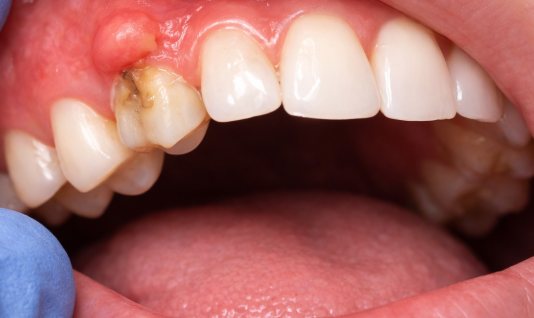
Avoid pressing or puncturing the swelling, putting aspirin directly on the gum, applying very hot packs, repeatedly delaying assessment because medicine has reduced the pain, or trying unverified home remedies in place of treatment. Do not exceed recommended pain medicine doses.
Who needs extra caution?
Some people are more vulnerable to complications from a tooth abscess or may need adapted treatment and closer monitoring. This includes people with poorly controlled diabetes, weakened immune systems, certain cancer treatments, or serious medical conditions. Children, older adults, and pregnant patients also deserve prompt, individualized assessment rather than assumptions about which medicines or X-rays are suitable.
If you have an important medical condition, tell your dentist about it, including your medication list and allergies. Do not stop prescribed medical treatment on your own. If you have facial swelling, fever, or rapid deterioration, seek same-day evaluation, and use emergency services for any airway, swallowing, eye, or severe spreading-swelling symptoms.
What happens if the infection is ignored?
A chronic abscess can continue to drain, affect the bone around the root, cause recurring discomfort, or reduce the chances of retaining a tooth. In some cases, an acute episode can develop unexpectedly, leading to rapidly increasing pain and swelling. Rarely, spread to deeper tissues can become a severe medical emergency.
Waiting does not usually make treatment easier. Early assessment may allow more options and can prevent repeated cycles of painkillers, antibiotics, and temporary relief without correcting the source.
Can the condition be prevented?
You cannot eliminate every risk, but you can significantly reduce the chance of a tooth abscess by protecting teeth and gums long before they start hurting.
Brush twice a day with fluoride toothpaste, clean between teeth daily, and attend dental reviews at an interval appropriate for your risk. Address decay and broken fillings before they deepen. Have cracked or injured teeth assessed promptly. If you have gum disease, follow the recommended periodontal maintenance plan, because deep pockets can provide an environment for repeated infection.
Be especially attentive to a tooth that is becoming sensitive, developing recurrent food impaction, or producing pain on biting. These changes are reasons to arrange an examination, not reasons to panic. Preventive treatment is often more straightforward than treatment after swelling develops.
Frequently asked questions
1. How long can a dental abscess go untreated?
There is no safe number of days. Some infections remain localised for a while, while others worsen quickly. Because the rate of progression is unpredictable, seek prompt dental assessment rather than waiting for it to rupture or disappear.
2. Will a dental abscess go away on its own?
An untreated tooth abscess should not be considered cured just because the pain or swelling decreases. It may drain or temporarily settle while the source remains. Definitive evaluation and treatment are needed.
3. Can I have an abscess without pain?
Yes. A chronic infection may drain through the gum and cause little or no discomfort. A persistent gum pimple, unusual discharge, or unexplained swelling still needs examination.
4. Does every abscessed tooth need a root canal?
No. A pulp-related infection may be treated with a root canal if the tooth is restorable, but periodontal infections call for gum treatment, and some teeth are better extracted. Correct diagnosis comes first.
5. Can antibiotics alone fix the problem?
Usually not. Antibiotics can be useful for selected cases, particularly when infection spreads or systemic signs are present, but the source typically requires dental treatment. Taking tablets without addressing the infected tooth or pocket can lead to recurrence.
6. Is a gum boil a sign of serious infection?
It can be. A pimple-like gum swelling may represent a drainage opening from a long-standing infection, even if it is painless. It is worth arranging a dental visit promptly.
7. Is a swollen cheek always a hospital emergency?
Not every swollen cheek requires hospital admission, but new facial swelling warrants prompt assessment. Rapid progression, fever with facial swelling, difficulty swallowing, breathing or speaking, eye symptoms, or major limitation in mouth opening demand urgent or emergency evaluation.
8. Can I go to work with an abscessed tooth?
Your ability to work is not a reliable measure of whether an infection is safe to ignore. Prioritise timely dental assessment. Avoid work or travel that delays care if swelling is increasing, you have fever, or you feel unwell.
9. How quickly will I feel better after treatment?
Pain and pressure often improve after the source is treated, but the timeline varies. Tenderness and swelling may take additional time to settle. Attend advised reviews and seek help if symptoms worsen, fever develops, or new swelling appears.
10. Can a previously root-canal-treated tooth develop another abscess?
Yes. Persistent or new infection can sometimes occur around a treated root. Depending on the cause and restorability, retreatment, surgery, or extraction may be considered.
11. Can I use clove oil or saltwater instead of seeing a dentist?
No. A gentle saltwater rinse may offer temporary comfort, but it cannot disinfect the entire infected root canal or periodontal pocket. Strong substances placed directly against the gum may cause irritation or burns.
12. What if the pain disappears overnight?
Do not assume the infection has ended. Sudden relief may reflect drainage or loss of nerve vitality. Arrange an examination, particularly if you have noticed prior severe pain, swelling, or a bad taste.
Getting the right care in Chinchwad, Pune
At Joglekar’s Dental Solutions, we evaluate tooth pain and dental infections with a focus on identifying the source and explaining your options. Our clinical facilities include dental operating microscopes and in-house CBCT imaging for cases where advanced assessment is appropriate, alongside conventional examination and dental X-rays. Root canal treatment and retreatment may help retain suitable teeth; other situations need periodontal care or extraction.
If you have a suspected tooth abscess, contact the clinic to request a prompt assessment. If you have difficulty breathing or swallowing, eye symptoms, or rapidly spreading facial or neck swelling, go straight to a hospital emergency department rather than waiting for a clinic appointment.
The final takeaway: pain is a warning, not a diagnosis
A tooth abscess can feel like a throbbing ache, a tender tooth when biting, a swollen gum, a foul taste, or a cheek that seems to swell overnight. It can also be surprisingly quiet. The important question is not only “How much does it hurt?” but also “Is the infection spreading, and what is causing it?”
Timely treatment can relieve discomfort, remove the source of infection, and often preserve a natural tooth. Recognize the warning signs, avoid relying on antibiotics or home remedies alone, and seek emergency medical care when breathing, swallowing, vision, or rapidly spreading swelling is involved.
Medical information notice: This article is for general patient education and does not replace an examination, diagnosis, or personalized treatment advice. Symptoms can overlap with other dental and medical conditions.