
Worried about thumb sucking and teeth alignment? Learn the 5 warning signs, the right age to intervene, and how to safely break the habit.
Thumb sucking is one of the most natural, common habits in early childhood, and for most toddlers, it’s nothing to worry about at all. But somewhere between the ages of 2 and 4, the conversation around thumb sucking and teeth starts to shift, from “completely normal” to “worth keeping an eye on.”
This guide walks through exactly when thumb sucking and teeth actually become a genuine concern, the 5 warning signs that suggest the habit is starting to affect your child’s dental development, and what you can do about it without turning it into a stressful battle at home.
Is Thumb Sucking Actually Normal?
Yes, completely. Sucking is a natural reflex present even before birth, many babies are seen sucking their thumb on ultrasound scans. In infancy and early toddlerhood, it serves a genuinely soothing, self-regulating purpose, and pediatric dentists generally don’t consider thumb sucking and teeth a concern at all before around age 3 or 4.
The real question isn’t whether thumb sucking happens, nearly every child does some version of it, it’s how long it continues and how intensely.

When Does Thumb Sucking Actually Start Affecting Teeth?
Most pediatric dental guidelines point to around age 4 as the point where thumb sucking and teeth start to genuinely intersect as a concern. Before this age, baby teeth are still settling into position and the habit typically resolves on its own without lasting effects. After this age, particularly once permanent teeth begin arriving around age 6, prolonged sucking habits start exerting real, ongoing pressure exactly when it matters most for long-term alignment.
5 Warning Signs Thumb Sucking Is Affecting Your Child’s Teeth
1. An Open Bite Is Forming
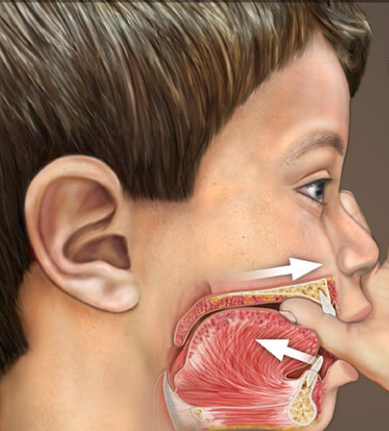
This is the most common and recognizable sign connecting thumb sucking and teeth. An open bite happens when the upper and lower front teeth don’t meet when the mouth is closed, leaving a visible gap. The constant presence of a thumb between the teeth physically prevents them from coming together normally during development.
2. The Front Teeth Are Angling Outward
Persistent pressure from a thumb pushes the upper front teeth forward and outward over time, sometimes noticeably protruding compared to the rest of the smile. This is one of the clearer visual warning signs parents often notice themselves before a dentist even points it out.
3. The Roof of the Mouth Looks Narrow or High-Arched
Repeated sucking pressure can gradually reshape the roof of the mouth (the palate), making it narrower and more arched than it would otherwise develop. This isn’t always visible casually, but it’s something a pediatric dentist checks for specifically because of how directly it ties thumb sucking and teeth, and jaw structure, together.
4. Speech Sounds Like “S” or “Th” Are Affected
Because tooth alignment and palate shape both play a role in how sounds are formed, a child with significant open bite or narrowing from prolonged thumb sucking may start developing a subtle lisp or difficulty with certain speech sounds, an often-overlooked consequence beyond the purely dental picture.
5. The Habit Persists Past Age 5, With High Intensity
Frequency and intensity matter as much as age. A child who occasionally sucks their thumb for comfort at bedtime is very different from one doing it constantly throughout the day with vigorous sucking pressure. The more intense and prolonged the habit past age 5, the more significant the impact on thumb sucking and teeth outcomes tends to be.
Thumb Sucking vs Pacifiers: Is One Better Than the Other?
Both habits create similar pressure patterns, but pacifiers have one meaningful advantage: they’re external and easier to physically remove, phase out, or limit compared to a thumb, which is, quite literally, always available. Many pediatric dentists consider pacifier weaning slightly more manageable for exactly this reason, when it comes to thumb sucking and teeth, breaking a thumb habit often takes more patience and behavioral strategy than removing a pacifier does.
That said, if a pacifier habit continues just as long and just as intensely as thumb sucking would, the dental effects are essentially the same.
How to Help Your Child Break the Habit
- Positive reinforcement works better than punishment. Reward charts and praise for thumb-free stretches tend to be far more effective than scolding, which can increase anxiety and, paradoxically, increase comfort-seeking behavior like thumb sucking.
- Identify triggers. If your child sucks their thumb mainly during specific moments, tiredness, boredom, stress, addressing the underlying trigger often reduces the habit more effectively than addressing the thumb sucking directly.
- Try a gentle reminder method, like a bandage on the thumb or a bitter-tasting, dentist-approved topical deterrent, as a physical cue rather than a punishment.
- Involve your pediatric dentist. They can explain the connection between thumb sucking and teeth directly to your child in an age-appropriate way, sometimes children respond better to hearing it from a dentist than from a parent.
- Consider an orthodontic appliance in more persistent cases. For children who haven’t responded to behavioral approaches by around age 6-7, a simple removable or fixed appliance can physically interrupt the habit.
When Should You See a Dentist About This?
Bring it up at your child’s regular checkup if:
- The habit is still frequent and intense past age 4
- You’ve noticed any of the 5 warning signs above
- Permanent teeth are starting to come in while the habit continues
- Speech seems to be affected
- You’ve tried behavioral approaches at home without success
A pediatric dentist can assess how much thumb sucking and teeth alignment have actually been affected so far, and whether early intervention or simply continued monitoring is the right next step.
Frequently Asked Questions
Will thumb sucking damage permanent teeth if it stops before they erupt? In most cases, no. If the habit stops before permanent teeth arrive around age 6, any changes to baby teeth alignment often self-correct as permanent teeth come in. The real concern with thumb sucking and teeth arises when the habit continues after permanent teeth have already erupted.
Is it too late to fix the effects if my 8-year-old is still sucking their thumb? It’s not too late, but it does typically require more active intervention at this stage, whether behavioral strategies, an orthodontic appliance, or both, since permanent teeth are already established and less likely to self-correct.
Do pacifiers cause the same dental issues as thumb sucking? Yes, largely the same open bite and alignment patterns can result from prolonged pacifier use, though pacifiers are generally easier to phase out on a set timeline than a thumb habit.
At what age should I really start worrying? Most pediatric dentists suggest not worrying at all before age 3-4, but paying closer attention and considering intervention strategies if the habit remains frequent and intense past age 4-5.
Can thumb sucking affect anything besides teeth alignment? Yes, in more prolonged or intense cases it can affect palate shape and, in turn, speech development, which is part of why addressing it earlier rather than later tends to produce better overall results.
Conclusion
For most young children, thumb sucking is a completely normal, harmless habit that resolves on its own with time. The real relationship between thumb sucking and teeth only becomes a genuine concern when the habit persists with real intensity past age 4-5, particularly once permanent teeth are involved. Recognizing the 5 warning signs early, and approaching the habit with patience rather than pressure, gives your child the best chance at a smooth transition away from it before any lasting effects set in.
At Joglekar’s Dental Solutions, pediatric checkups include a specific assessment of oral habits like thumb sucking, allowing early guidance for parents well before any lasting effect on alignment develops.