
Worried your retainer too tight is damaging your teeth? Learn the real risks, warning signs, and the safe way to fix an uncomfortable retainer fit.
After months, sometimes years, of orthodontic treatment, the last thing anyone wants is a new problem showing up from the very appliance meant to protect those results. Yet a retainer too tight is a genuinely common complaint, whether it’s a retainer you’ve just picked up, one you’re putting back on after a break, or one that’s simply aged and changed shape over time.
This guide covers the real truth about this uncomfortable fit issue: whether it can actually damage your teeth, the warning signs to watch for, why it happens in the first place, and the safest way to fix it without undoing the progress your treatment already achieved.
Is a Retainer Too Tight Actually Dangerous?
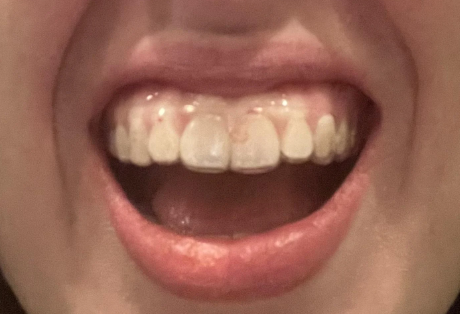
The honest answer is yes, it can be, though the degree of risk depends heavily on how tight, how long, and how it’s being worn. A retainer’s entire job is to hold teeth in a fixed position using gentle, passive pressure. When a retainer too tight applies more force than that, it stops passively holding teeth in place and starts actively pushing them, exactly the kind of force that’s supposed to be reserved for active orthodontic treatment, not retention.
Why Does a Retainer Become Too Tight?
Teeth Have Already Shifted Slightly
This is the most common cause. If you’ve had any gaps in wear, even just a few weeks of inconsistent use, teeth can shift just enough that the retainer, molded to their previous position, no longer fits comfortably. In this case, a retainer too tight is actually a sign of relapse rather than a problem with the retainer itself.
The Retainer Has Warped or Aged
Retainers, particularly clear plastic ones, can warp slightly from heat exposure, improper storage, or simply years of use. A warped appliance fitting oddly in certain spots isn’t reflecting your teeth’s actual position at all, it’s a manufacturing or material issue.
A New Retainer Was Made Slightly Off
Occasionally, a newly fabricated retainer simply doesn’t fit as precisely as intended, whether from an impression issue or a lab fabrication error. This kind of tight, uncomfortable fit immediately after being delivered, rather than after a period of inconsistent wear, often points to a fitting issue rather than actual tooth movement.
Wisdom Teeth or Other Late Dental Changes
In some cases, ongoing changes elsewhere in the mouth, wisdom teeth emerging or shifting, or other natural late-life dental changes, can subtly affect the overall arch and make a previously well-fitting retainer feel different over time.
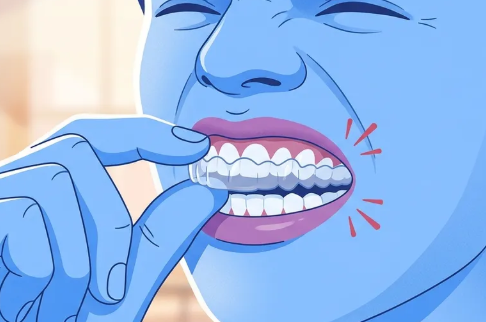
Warning Signs Your Retainer Is Genuinely Too Tight
- Noticeable pressure or soreness that lasts well beyond the first few minutes of putting it in
- Difficulty seating the retainer fully, or it not snapping into place the way it used to
- Visible indentation marks or redness on the gums after removal
- A persistent ache in specific teeth, rather than general retainer adjustment discomfort
- The retainer feeling different from one side of the mouth to the other, suggesting uneven pressure
A small amount of pressure for the first few minutes of putting on a retainer after time away is normal. A retainer too tight that continues to ache, pinch, or feels forceful well beyond that initial adjustment period is the pattern worth paying attention to.
Can It Actually Move or Damage Teeth?
Yes, and this is exactly why the concern is legitimate rather than overblown. A retainer too tight, worn consistently over days or weeks, can:
- Apply unintended pressure that shifts teeth in an uncontrolled way, unlike the carefully planned, gradual movement of active orthodontic treatment
- Cause root resorption in more extreme or prolonged cases, a process where the tooth root itself is affected by excessive or poorly directed force
- Create bite misalignment if the pressure is uneven across the arch
- Cause gum irritation or recession at points of excessive pressure against the gumline
This doesn’t mean occasional mild tightness is dangerous, the risk comes specifically from forcing an ill-fitting retainer into place repeatedly, rather than addressing why it doesn’t fit comfortably anymore.
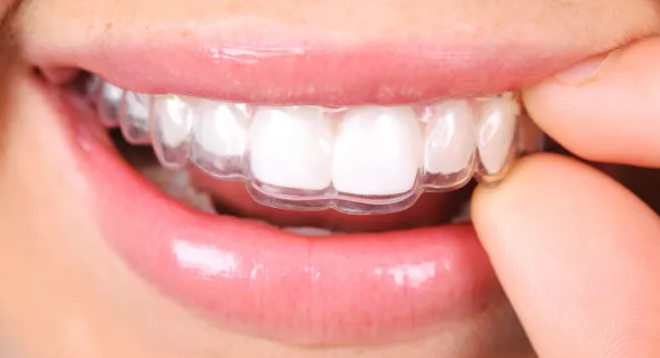
What Should You Do If Your Retainer Feels Too Tight?
Don’t Force It Repeatedly
This is the most important immediate step. Continuing to force a retainer too tight into place, session after session, is exactly what risks unintended tooth movement. If it doesn’t seat comfortably within a reasonable adjustment period, stop and address the cause rather than pushing through.
Contact Your Orthodontist or Dentist Promptly
This kind of tight fit after a period of inconsistent wear needs a professional evaluation to determine how much shifting has actually occurred, and whether the existing retainer can still be used to guide teeth back, or whether a new one needs to be made.
Don’t Assume It Will “Loosen Up” on Its Own
Unlike shoes breaking in, a retainer doesn’t become comfortable simply through repeated forceful wear, if it’s genuinely too tight due to tooth movement, that tightness reflects a real mismatch that needs correcting, not a fit that will resolve with persistence alone.
Consider a Replacement If It’s Warped
If age or heat damage is the cause rather than actual tooth movement, a replacement retainer molded to your current, correctly positioned teeth solves the issue directly without any risk of unwanted movement.
How to Prevent a Retainer From Becoming Too Tight
- Wear it exactly as prescribed, especially during the first year after braces or aligners, when relapse risk is highest
- Store it properly in its case, away from heat sources like hot cars or direct sunlight, which are common causes of warping
- Bring it to regular dental checkups so any early signs of fit changes are caught before they become a genuine problem
- Replace it when recommended, rather than continuing to use a retainer that’s visibly aged, cracked, or discolored
- Address any gaps in wear immediately rather than waiting, since the longer teeth are unretained, the more likely a retainer too tight scenario becomes
When Should You See a Professional Right Away?
- The retainer feels significantly tighter than before, not just mildly snug
- You notice new gaps, crowding, or visible shifting in your smile
- There’s persistent pain beyond typical adjustment discomfort
- The retainer won’t seat fully no matter how gently you try
- It’s been more than the recommended interval since your last retainer check
A retainer too tight is genuinely one of those situations where waiting to “see if it gets better” often makes the underlying issue, whether shifting teeth or a warped appliance, worse rather than better.
Frequently Asked Questions
Is it normal for a retainer to feel slightly tight after not wearing it for a few days? Yes, mild pressure for the first several minutes is common and generally resolves as the retainer seats. Persistent, significant tightness beyond that initial period is different and worth addressing.
Can a retainer too tight actually move my teeth back to where they used to be? In a sense, yes, that’s essentially what’s happening when a retainer no longer fits, it’s applying uneven, uncontrolled force rather than the gentle, planned movement of proper treatment, which is exactly why forcing it isn’t a safe long-term solution.
How long can I safely try to force a tight retainer before seeing someone? If it doesn’t seat comfortably within a few days of consistent, gentle wear, it’s time for a professional evaluation rather than continuing to force it.
Will I need to redo my orthodontic treatment if my retainer becomes too tight? Not necessarily. In many cases, a new retainer molded to the current position, or a short course of aligner therapy to guide teeth back gently, can correct the issue without needing to redo full treatment.
Can a retainer that’s too tight cause pain in my jaw, not just my teeth? Yes, uneven pressure from a tight retainer can sometimes contribute to jaw discomfort, particularly if it’s altering how your bite comes together while worn.
Conclusion
A retainer too tight isn’t something to simply push through or ignore, it’s a genuine signal worth listening to, whether it points to some degree of relapse, a warped appliance, or a fitting issue from the start. The safe fix almost always involves a prompt evaluation rather than repeated forcing, protecting the very results your original treatment worked to achieve.
If your retainer has started feeling different, tighter, harder to seat, or simply uncomfortable in a new way, it’s worth getting it checked rather than assuming it will resolve on its own.
At Joglekar’s Dental Solutions, retainer fit and orthodontic retention are assessed as part of routine follow-up care, catching early signs of shifting or appliance wear before they become a larger issue. You can contact us here.