
Gum disease rarely announces itself with pain, at least not at first. That’s exactly what makes it dangerous. Most patients we treat for advanced gum disease had no idea anything was wrong until symptoms became impossible to miss.
Here’s what gum disease actually looks like at each stage, and the essential steps to catch it before it progresses.
What Is Gum Disease?
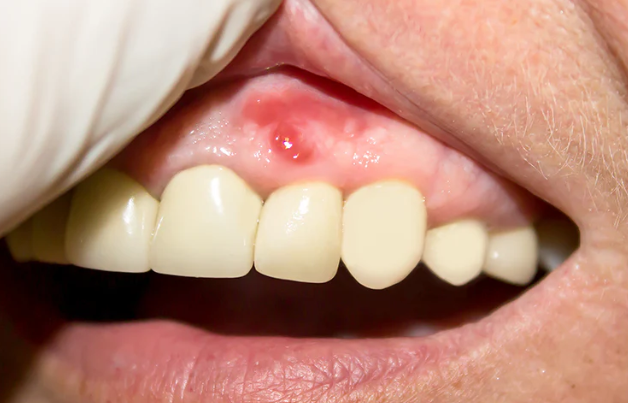
Gum disease is an infection of the tissues that surround and support your teeth, caused primarily by plaque buildup along the gumline. Left untreated, it doesn’t just affect your gums, it can eventually damage the bone holding your teeth in place.
It develops in stages, and catching it early makes a significant difference in how easily it’s treated.
Stage One: Gingivitis
This is the earliest, most reversible stage. Signs include:
- Red or swollen gums
- Bleeding while brushing or flossing
- Mild bad breath
At this stage, there’s usually no pain at all, which is exactly why it goes unnoticed. The good news is gingivitis is fully reversible with proper cleaning and improved home care.
Stage Two: Periodontitis
If gingivitis isn’t addressed, it progresses to periodontitis, a more serious infection. Signs include:
- Gums pulling away from teeth
- Persistent bad breath
- Loose or shifting teeth
- Pus between teeth and gums
- Pain while chewing
At this stage, damage to the bone and tissue supporting your teeth has already begun, and while it can be managed, it can’t be fully reversed the way gingivitis can.
Why Gum Disease Often Goes Unnoticed
Unlike a cavity, which usually causes a sharp reminder in the form of sensitivity or pain, gum disease progresses quietly. Bleeding gums are often dismissed as “just brushing too hard,” when it’s actually one of the earliest warning signs your body gives you.
This is exactly why regular checkups matter more than most people realize, we can spot early gum changes long before you’d notice anything yourself.
What Causes Gum Disease
1. Plaque buildup Plaque that isn’t removed regularly hardens into tartar, which irritates and infects the gumline.
2. Smoking or tobacco use This significantly increases risk and also makes healing slower once treatment begins.
3. Hormonal changes Pregnancy, menopause, and other hormonal shifts can make gums more sensitive to plaque buildup.
4. Certain medications Some medications reduce saliva flow or affect gum tissue directly, increasing susceptibility.
5. Genetics Some people are simply more prone to gum disease, even with reasonably good oral hygiene.
6. Chronic conditions Diabetes in particular has a well-documented two-way relationship with gum disease, each can make the other harder to manage.
The Essential Prevention Checklist
- Brush twice daily, focusing on the gumline, not just the tooth surface
- Floss daily to remove plaque between teeth where a brush can’t reach
- Use an antimicrobial mouthwash if recommended
- Avoid smoking or tobacco products
- Keep up with regular professional cleanings, even if nothing feels wrong
- Manage chronic conditions like diabetes with your physician’s guidance
How Gum Disease Is Treated
For gingivitis: A thorough professional cleaning combined with improved home care is often enough to fully reverse it.
For early periodontitis: Deep cleaning procedures, like scaling and root planing, remove plaque and tartar from below the gumline and help the gums reattach to the tooth surface.
For advanced periodontitis: More involved treatment may be needed, including gum surgery in severe cases, to restore health to the supporting structures around your teeth.
Why This Matters Beyond Your Mouth
Gum disease isn’t just a dental issue in isolation. Research has increasingly linked it to broader health concerns, including cardiovascular health and blood sugar control. Treating it isn’t just about saving your teeth, it’s part of taking care of your overall health.
Not Sure If Your Gums Are Healthy?
Bleeding gums are not normal, even if it seems minor. If you’ve noticed any bleeding, swelling, or persistent bad breath, don’t wait for it to progress. Come in for a checkup, catching gum disease early is always simpler than treating it late.