
Unhappy with your smile? Discover 6 signs you may need a cosmetic dentist and explore modern smile makeover treatments in Chinchwad, Pune.
Is Your Smile Holding You Back?
Have you ever avoided smiling in a photograph because you were conscious of your teeth? Perhaps you hide your smile while laughing, cover your mouth when speaking, or feel uncomfortable during social interactions.
You aren’t alone. Many people feel self-conscious about stained, chipped, crooked, worn, or missing teeth.
The good news is that modern cosmetic dentistry offers several ways to improve your smile, often through conservative and minimally invasive treatments.
A cosmetic dentist can evaluate your concerns and help you understand which treatments may improve your teeth’s appearance while maintaining their health and function.
But how do you know whether you actually need cosmetic dental treatment?
You don’t need to have severely damaged teeth or a major dental problem to consider improving your smile. Sometimes, a relatively minor correction can make a noticeable difference.
Let’s explore six common dental conditions that may indicate it’s time to consult an experienced cosmetic dentist.
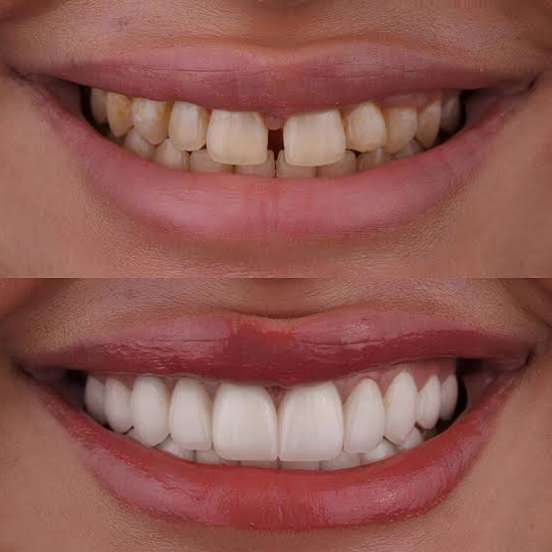
1. Your Teeth Are Yellow, Stained, or Discoloured
Do you brush twice a day but still feel that your teeth look yellow or dull?
Tooth discolouration is one of the most common reasons people become unhappy with their smiles.
Even when you maintain good oral hygiene, several factors can affect the natural colour of your teeth.
What causes tooth discolouration?
Common causes include:
- Frequent consumption of tea, coffee, or other staining beverages
- Tobacco use
- Natural ageing and thinning of enamel
- Previous trauma to a tooth
- Certain medications or developmental enamel changes
- Old or discoloured dental restorations
Some stains are superficial and can be removed through professional cleaning and polishing. Others are deeper and may require additional treatment.
What treatments can help?
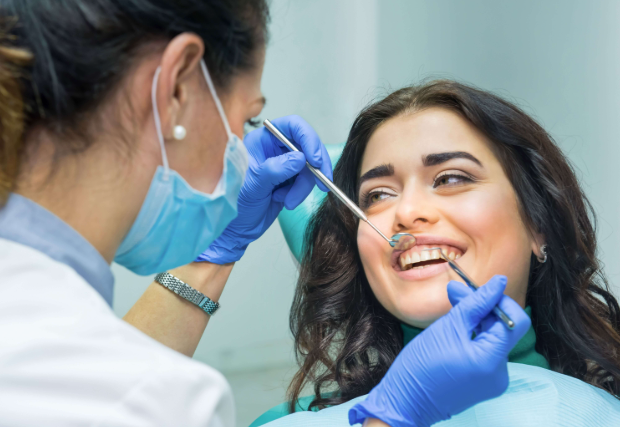
Depending on the cause, your cosmetic dentist may recommend professional teeth whitening, composite bonding, porcelain veneers, or an appropriate ceramic restoration.
For example, if your teeth have become darker because of tea and coffee, professional whitening may help improve their appearance.
However, a severely discoloured tooth that has undergone root canal treatment may require a different approach.
The objective is not necessarily to make your teeth extremely white. It is to create a natural-looking smile that complements your face, complexion, and personality.
Remember: Whitening is not suitable for every type of discolouration, and crowns or fillings do not whiten like natural teeth.
2. You Have Chipped, Cracked, or Worn-Down Teeth
A small chip in your front tooth may seem insignificant, but it can affect how you feel about your entire smile.
Similarly, teeth that have gradually worn down can make your smile appear shorter or uneven.
Tooth wear may develop slowly over several years, sometimes without you noticing the change.
Why do teeth become chipped or worn?
Some common reasons are:
- Accidental injury or trauma
- Teeth grinding or clenching, also called bruxism
- Acid erosion due to dietary or gastric acids
- An improper bite or excessive tooth-to-tooth contact
- Biting hard objects
- Natural wear over time
Apart from appearance, significant tooth wear may cause sensitivity, difficulty chewing, or changes in your bite.
How can cosmetic dentistry help?
Your cosmetic dentist will first evaluate the amount of remaining tooth structure and identify the likely cause of damage.
Minor chips may be restored using tooth-coloured composite bonding.
Larger defects may require veneers, onlays, or crowns, depending on the tooth’s condition.
In cases of advanced tooth wear, a comprehensive restorative approach may be necessary to address both appearance and function.
At Joglekar’s Dental Solutions, we also assess the bite and remaining tooth structure before planning extensive restorative treatments.
The goal is to achieve an attractive result without compromising the long-term health of your teeth.
A crack that causes pain on biting, persistent sensitivity, or swelling requires a diagnostic dental examination. Cosmetic treatment alone may not resolve the underlying problem.
3. You Have Crooked Teeth or Unwanted Gaps in Your Smile
Do you feel that your front teeth are too crowded, rotated, or separated by visible gaps?
Crooked teeth and unwanted spaces can affect the overall symmetry of your smile.
Some people have naturally spaced teeth, while others develop gaps because of missing teeth, tooth movement, or gum problems.
Although many alignment concerns are primarily aesthetic, severe crowding and certain bite problems may also affect oral hygiene and function.
Do you always need metal braces?
Not necessarily.
Modern dentistry offers several treatment options, depending on your alignment and bite.
A cosmetic dentist can assess your smile and determine whether you may benefit from clear aligners, orthodontic treatment, composite bonding, or porcelain veneers.
Clear aligners gradually move teeth into improved positions using a sequence of removable, custom-made appliances.
Composite bonding can sometimes improve the appearance of a small gap without moving the teeth.
Porcelain veneers may be considered in selected cases where tooth shape, size, or colour also needs correction.
However, veneers should not be used as a substitute for orthodontic treatment when substantial tooth movement or bite correction is necessary.
The most suitable treatment depends on your dental condition and personal preferences.
The key is to choose a solution that improves your smile without unnecessarily removing healthy tooth structure.
4. Your Teeth Look Uneven, Too Short, or Irregularly Shaped
Have you ever noticed that one front tooth looks longer than the other?
Or perhaps your lateral incisors appear unusually small compared with your other teeth?
The shape, size, and proportions of your teeth contribute significantly to the overall appearance of your smile.
Even relatively small differences can become noticeable, particularly in the front teeth.
What causes uneven teeth?
Some people naturally have smaller or irregularly shaped teeth.
Others develop uneven teeth because of:
- Tooth wear or grinding
- Previous fractures
- Developmental variations
- Old dental restorations
- Differences in gum levels
How can your smile be improved?
An experienced cosmetic dentist can assess your tooth proportions and explain the available options.
Minor irregularities may be improved with enamel recontouring or composite bonding, when clinically appropriate.
Porcelain veneers can be considered when a more substantial change in tooth shape or colour is needed.
Teeth that are extensively damaged may require ceramic crowns.
Modern digital smile design can also help patients visualise proposed changes and participate in the planning process.
At our clinic in Chinchwad, digital intraoral scanning supports the planning of selected restorative and smile makeover treatments.
Rather than creating identical-looking teeth for everyone, the aim is to develop a smile that looks balanced and natural for your face.
5. You Show Too Much Gum When You Smile
Your teeth are only one part of an attractive smile.
The shape, colour, and position of the surrounding gums also play a role in smile aesthetics.
Some people feel uncomfortable because a large amount of gum tissue is visible when they smile.
Others notice that the gum levels around their front teeth are uneven, making certain teeth appear shorter or longer than others.
This is often described as a gummy smile.
What causes a gummy smile?
Possible causes include:
- Naturally short-looking clinical crowns
- Excess gum tissue covering part of the teeth
- Differences in tooth eruption
- The position of the upper jaw
- Upper lip movement
- Uneven gum levels
Because the underlying causes differ, there is no single treatment suitable for everyone.
What treatments are available?
Your cosmetic dentist may evaluate your smile in consultation with other dental specialists when necessary.
Depending on the diagnosis, possible treatments include gum contouring, crown lengthening, orthodontic treatment, or other corrective procedures.
In some cases, no treatment is needed at all.
A gummy smile is not inherently unhealthy, and treatment is a personal choice unless there is an associated clinical concern.
If you are considering changing your gum line, a thorough examination is essential to determine what can be achieved safely.
6. You Have Missing Teeth or Old Restorations That Spoil Your Smile
Imagine having attractive natural teeth but one visibly dark crown in the middle of your smile.
Or perhaps you are missing a front tooth and have become conscious of smiling in public.
Missing teeth, discoloured crowns, and old fillings can change the overall appearance of your smile.
They may also affect chewing, speech, and the stability of neighbouring teeth.
Can modern dentistry restore a natural-looking smile?
Yes. Modern restorative dentistry provides several options, although the appropriate treatment depends on your individual condition.
A cosmetic dentist can assess the missing or damaged teeth, evaluate your bite, and recommend a suitable restorative plan.
Possible treatments include:
- Tooth-coloured composite restorations
- Metal-free ceramic crowns
- Dental implants for suitable patients
- Fixed dental bridges
- Replacement of old or mismatched restorations
- Comprehensive smile rehabilitation
Dental implants may be considered to replace missing teeth when bone availability and general oral health permit.
For suitable implant cases, CBCT imaging can help evaluate the available bone and surrounding anatomical structures.
At Joglekar’s Dental Solutions, we use in-house CBCT imaging and digital intraoral scanning to support implant and restorative treatment planning.
A well-planned restoration should not simply look attractive. It should also be comfortable, functional, and easy to maintain.
What Happens During a Cosmetic Dentistry Consultation?
Many people assume that visiting a cosmetic dental clinic means immediately agreeing to veneers or expensive smile makeover procedures.
That’s not how a properly planned treatment should begin.
When you consult a cosmetic dentist, the first step should be a detailed examination and an open discussion about your expectations.
Your dentist will typically evaluate several important factors.
1. Your teeth and existing restorations
The examination identifies cavities, fractures, old fillings, worn teeth, and existing crowns that may need attention.
2. Your gum health
Healthy gums are essential for stable, long-lasting dental restorations.
Any active gum disease should be addressed before elective cosmetic treatment.
3. Your bite and jaw function
Your dentist evaluates how your upper and lower teeth meet and whether grinding, clenching, or bite problems could affect the proposed restorations.
4. Your smile and facial proportions
Clinical photographs and digital scans may help assess tooth shape, proportions, alignment, and their relationship with your lips.
5. Your expectations and budget
You should have the opportunity to discuss what you want to change, your treatment preferences, the expected costs, and any important limitations.
An ethical cosmetic dentist will explain whether a conservative treatment can address your concerns or whether more extensive restorative work is required.
Remember, you don’t always need a complete smile makeover.
Sometimes, a simple whitening procedure, a small composite restoration, or a single ceramic crown may achieve the improvement you want.
Frequently Asked Questions About Cosmetic Dentistry
1. Is cosmetic dentistry only about improving appearance?
No. Although cosmetic dentistry focuses on smile aesthetics, treatment planning should also consider oral health, tooth preservation, chewing function, and the bite.
For example, restoring worn-down teeth may improve both appearance and function.
An experienced cosmetic dentist should consider these factors before recommending treatment.
2. Are cosmetic dental treatments painful?
Many procedures, such as professional whitening and certain forms of composite bonding, can be performed without local anesthesia.
Treatments involving tooth preparation, gum procedures, or implants may require local anaesthesia.
Temporary sensitivity or discomfort can occur, depending on the procedure.
Your dentist should explain what to expect and discuss appropriate pain management.
3. How long does a smile makeover take?
The treatment duration varies significantly.
Teeth whitening may be completed in one or more appointments, whereas ceramic restorations generally require additional planning and fabrication time.
Clear aligner treatment may take several months or longer, depending on the amount of tooth movement required.
Implant-based rehabilitation also depends on healing and other clinical factors.
Your dentist can provide an individualised timeline after examining your teeth.
4. Are porcelain veneers better than composite bonding?
Neither option is universally better.
Composite bonding is often useful for minor repairs and shape corrections. It can be relatively conservative and is generally easier to repair.
Porcelain veneers may offer good colour stability and aesthetics for selected cases, but they usually involve laboratory fabrication and may require enamel preparation.
The appropriate option depends on the condition of your teeth, your aesthetic goals, and your budget.
5. How long do cosmetic dental treatments last?
The lifespan of any restoration depends on the material, treatment design, oral hygiene, bite forces, and maintenance.
Whitening may need periodic touch-ups.
Composite bonding may require polishing or repair over time.
Ceramic veneers and crowns can function for many years when appropriately planned and maintained, but no restoration is guaranteed to last forever.
Regular dental examinations are essential.
6. How much does cosmetic dentistry cost in Chinchwad, Pune?
The cost depends on the type and extent of treatment.
A small composite restoration will generally cost less than a ceramic veneer, crown, or comprehensive smile rehabilitation.
Treatments involving clear aligners or dental implants have different cost structures.
At Joglekar’s Dental Solutions, we provide a personalised treatment plan and discuss the applicable fees after evaluating your dental condition.
Looking for a Cosmetic Dentist in Chinchwad, Pune?
At Joglekar’s Dental Solutions, we believe that an attractive smile should also be healthy, functional, and natural-looking.
Led by Dr. Mandar Joglekar, our clinic brings over 25 years of clinical experience together with modern digital dental technology.
Our facilities include:
- Digital intraoral scanning for selected restorative workflows
- An in-house CBCT scanner for detailed three-dimensional imaging when indicated
- Dental operating microscopes for precision-focused treatments
- Dental implant treatment and restorative rehabilitation
- Clear aligners and aesthetic dental restorations
Whether you are concerned about stained teeth, chipped teeth, unwanted gaps, worn teeth, or missing teeth, we can help you explore suitable treatment options.
Your Confident Smile Begins with a Consultation
You don’t have to settle for a smile that makes you uncomfortable.
If you are looking for a cosmetic dentist in Chinchwad, schedule an appointment at Joglekar’s Dental Solutions to understand the possibilities for your smile.