
Aligner wear time decides how fast your teeth move. Learn how many hours a day to wear aligners, the 5 costly mistakes, and an easy plan that works.
Ask any orthodontic patient what the hardest part of clear aligners is, and you’ll rarely hear “the discomfort.” You’ll hear “remembering to keep them in.” Aligners are comfortable, nearly invisible, and easy to take out, and that last point is exactly where most problems start.
Unlike braces, which are fixed to your teeth and work every second of the day, aligners only work when they’re in your mouth. That makes aligner wear time the single biggest factor in whether your treatment finishes on schedule, runs late, or needs extra trays to fix what slipped. Two people can start with the same teeth, the same plan, and the same dentist, and end up with completely different results simply because one wore the trays consistently and the other didn’t.
This guide covers the full picture, not just a number of hours. You’ll learn how many hours a day to wear aligners, what actually counts toward that total, what happens when you fall short, 5 common mistakes, how to build a daily routine that makes the hours almost automatic, and what changes once your treatment is finished and your retainers take over.
So, How Many Hours a Day Should You Wear Aligners?
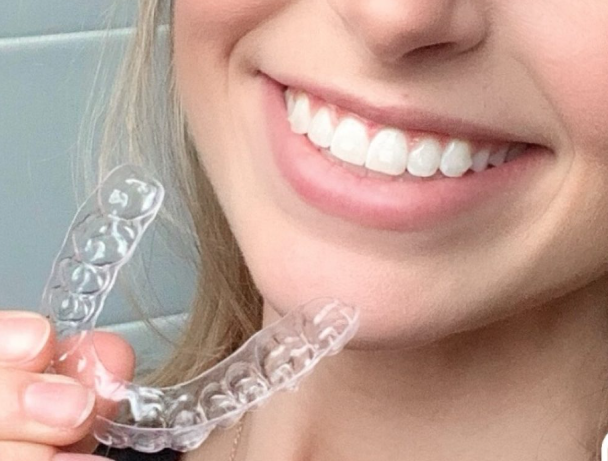
The standard recommendation from most Aligner Wear Time and orthodontists is 20 to 22 hours a day. That leaves roughly two to four hours for eating, drinking anything other than plain water, brushing, flossing, and the occasional short break.
It helps to think of it in reverse. Instead of asking “how long should they be in,” ask “how long can they be out.” If you only take them out for meals and cleaning, you’ll almost automatically land in the right range. Most people eat for around 60 to 90 minutes a day in total, and brushing takes a few more minutes. That’s why the 22-hour figure is realistic for most lifestyles once a routine forms.
Your own dentist may give you a slightly different target based on your case, so always follow the specific instructions you were given. Some complex cases need strict full Aligner Wear Time, while a few lighter cases may have a little more flexibility. The 20 to 22 hour range is the safe general rule.
Why Aligner Wear Time Matters So Much
Teeth move through steady, gentle pressure over time. When the pressure is constant, the bone around each tooth remodels smoothly and predictably. When the pressure keeps stopping and starting, that process slows down and becomes unreliable.
Here’s what actually happens when aligner wear time drops below the recommended level:
- Teeth move more slowly. Each tray is designed for a small, specific movement. If it isn’t worn long enough, the movement doesn’t finish.
- Teeth can partly relapse. Between wear sessions, teeth drift slightly back toward their old position. Short removal periods are fine, but long ones undo progress.
- Trays stop fitting. If your teeth haven’t moved as planned, the next tray won’t seat properly. It feels tight, doesn’t click into place, or leaves gaps.
- Treatment takes longer. Missed progress has to be recovered, which usually means holding a tray for extra days or ordering refinement trays.
- Results can be less precise. Skipped wear can leave small imperfections that need extra correction at the end.
Think of aligner wear time as the fuel for the whole treatment. The plan is the map, but the hours you put in are what move the car.
What Counts as “Aligner Wear Time” and What Doesn’t
Many patients lose hours without realizing it. Here’s a clear breakdown.
Times You Should Take Aligners Out
- While eating meals and snacks
- While drinking anything other than plain water, including tea, coffee, juice, soda, and milk
- While brushing and flossing
- While swimming
- While playing contact sports, where a proper mouthguard is a better choice
Times You Should Keep Them In
- While sleeping, since the night is a major chunk of your daily hours
- While working, studying, driving, and relaxing
- While drinking plain water
- During exercise, as long as it isn’t a contact sport
- During social events, since they’re nearly invisible
The Small Habits That Quietly Steal Hours
- Taking the trays out “just for a minute” to feel more comfortable, then forgetting them for hours
- Removing them for every photo, video call, or meeting
- Leaving them out after a meal because brushing felt like too much effort
- Sipping coffee or sweet drinks slowly with the trays in, which also traps sugar against your teeth
- Skipping them on weekends or holidays
A few minutes here and there seems harmless. Added up over days, they can push your real aligner wear time well below 20 hours without you noticing.
5 Aligner Wear Time Mistakes to Avoid
Mistake 1: Treating the Number as a Suggestion
Some patients read “20 to 22 hours” as a rough guideline and settle at 16 or 17 hours, assuming that’s close enough. It isn’t. The recommendation is the minimum needed for the plan to work as designed. Falling well short is the most common reason treatment runs long.
Mistake 2: Not Tracking Anything
Most people overestimate how long their trays are in. Without any tracking, a day with several removals can easily end up at 15 hours while it feels like 20. A simple habit, like noting the time you take them out and put them back, makes the real numbers visible.
Mistake 3: Skipping Trays Early on Because They Feel Tight
The first day or two of every new tray feels snug. That pressure is normal and means the tray is working. Some patients take them out more often during this period, which delays the very movement the tray is trying to create. Wearing them through the tightness, ideally starting a new tray in the evening so you sleep through the worst of it, makes this much easier.
Mistake 4: Moving to the Next Tray Too Early
When you’re eager to finish, it’s tempting to switch trays sooner than scheduled. If your teeth haven’t finished moving, the new tray won’t fit well, and you can end up with problems that take longer to fix. Stay on the schedule your dentist gave you, usually one to two weeks per tray.
Mistake 5: Letting Long Gaps Happen
Forgetting your Aligner Wear Time for a full day, or leaving them out during a trip, is far more damaging than small daily shortfalls. A long gap lets teeth shift enough that the next tray feels tight or doesn’t seat. If it happens, don’t jump ahead. Go back to the previous tray for a few days and contact your dentist if it doesn’t fit well.
How Aligner Wear Time Affects Your Treatment Timeline
A typical aligner treatment runs anywhere from a few months to a year or more, depending on how complex the case is. The estimated timeline your dentist gives you assumes you’re wearing the trays as prescribed.
When aligner wear time is consistent, treatment tends to finish close to the original estimate, and the final result matches the digital preview. When it isn’t, patients often see:
- Extra weeks or months added to the schedule
- A need for refinement trays at the end
- More appointments to check fit and progress
- A final result that needs touch-ups
In other words, the shortcut of Aligner Wear Time less usually costs more time, not less. The patients who finish earliest are almost always the most consistent ones.
Building a Daily Routine That Makes the Hours Automatic
Willpower runs out. Routines don’t. Here’s a simple structure that makes your aligner wear time almost automatic.

Morning
- Take the aligners out, brush and floss, and eat breakfast
- Brush again if you’ve eaten, rinse the aligners, and put them back in right away
Throughout the Day
- Keep a small case in your bag, car, and desk so the trays are never loose in a pocket or wrapped in a tissue
- Eat your meals and snacks within set windows instead of grazing all day, which reduces how often you take them out
- Drink plain water with the aligners in, and take them out for everything else
Evening
- Remove, brush, floss, and eat dinner
- Clean the aligners gently, put them back in, and keep them in through the night
- If you’re starting a new tray, do it in the evening so you sleep through the first tight hours
Simple Tricks That Help
- Set phone reminders for 20 to 30 minutes after meals as a nudge to put the trays back
- Pair the habit with something fixed, like brushing teeth, so the trays go back in without thinking
- Use a timer app or a simple checklist during the first few weeks until the pattern settles
- Plan snacks and drinks around your schedule instead of sipping and nibbling all day
- Always carry the case. Most lost or broken aligners happen when they’re wrapped in napkins
Eating, Drinking, and Aligner Wear Time
Meals are where most of your daily “out” time goes, so this is the area worth planning carefully.
- Remove the trays for all meals and snacks. Chewing with them in can damage them and trap food against your teeth.
- Brush before putting them back in. If you can’t brush, rinse thoroughly with water at the very least. Putting trays over food and sugar invites decay.
- Stick to water while wearing them. Hot drinks can warp the plastic, and colored or sugary drinks can stain the trays and sit against your teeth.
- Group your eating. Three meals and one or two planned snacks use far less out-of-mouth time than constant grazing.
If you notice you’re taking the trays out a dozen times a day, that’s usually a sign to restructure your eating pattern, which also helps your teeth and Aligner Wear Time.

What If You Fall Behind?
It happens to nearly everyone at some point. Here’s how to recover calmly.
- Don’t panic and don’t rush. One missed day isn’t a disaster. Just get back on track.
- Don’t skip ahead to the next tray. Stay on your current one until it fits snugly again.
- Wear the trays full time for a few days to let teeth catch up.
- Check the fit. The tray should click into place and sit flush against your teeth. Gaps, a lifted edge, or significant tightness mean teeth are behind.
- Tell your dentist. If a tray doesn’t fit after a few days of full-time wear, your dentist can adjust the schedule for your Aligner Wear Time, add a refinement, or check progress in person. It’s far better to say something early than to hide it and discover the problem months later.
Special Situations
Travel and Busy Weeks
Pack your aligners, your case, and a travel toothbrush. If you’ll be away from your usual routine, bring the previous tray as a backup in case a tray is lost. Time zone changes and irregular meals make it easy to lose track, so reminders matter more than usual.
Sports and Exercise
For non-contact exercise, you can usually keep the trays in. For contact sports, take them out and use a mouthguard. Ask your dentist about options that fit over your teeth during treatment to adjust Aligner Wear Time.
Speaking and Lisps
New trays can cause a mild lisp for a day or two while your tongue adjusts. This usually fades quickly. Wearing them consistently actually helps it pass faster than wearing them on and off.
Teenagers and Aligners
Teens often struggle most with aligner wear time because of school, friends, and busy schedules. Parents can help by agreeing on a simple routine, checking in without nagging, and asking the dentist about tools that track wear. Many teen systems include indicators that help everyone see progress.
Sleep
Sleep covers about a third of the day, so wearing aligners at night is one of the easiest ways to bank hours. If you ever find yourself removing them in your sleep, tell your dentist, since that can be a sign they don’t fit well.
Cleaning and Care Affect Wear Time Too
Dirty or damaged trays tend to get left out. Keeping them clean makes them far more pleasant to wear.
- Rinse them every time you take them out
- Brush them gently with a soft brush and cool water, and avoid hot water, which can distort them
- Clean them daily with an aligner cleaning product if your dentist recommends one
- Don’t use toothpaste on the trays, since it can scratch them and make them cloudy
- Store them only in their case, never in napkins or loose in a pocket
What Happens After Your Aligners Are Finished?
Once active treatment ends, your teeth are in their new position but still want to drift back. That’s where retainers come in, and retainer wear time follows a different pattern.
- Early phase: Many dentists recommend wearing retainers nearly full time for the first few months.
- Maintenance phase: After that, wearing them at night is typically enough, though some patients are advised to continue long term.
- Why it matters: Skipping retainers is one of the most common causes of teeth shifting after treatment.
The same consistency that made your aligner wear time work is what protects the results afterward. Your dentist will tell you exactly how long to keep going in your case.
Signs Your Aligner Wear Time Is Too Low
Watch for any of these:
- Trays feel very tight, don’t click in, or leave visible gaps
- Teeth don’t look like they’re moving as expected
- You’re frequently behind schedule with tray changes
- You’re taking trays out many times a day without noticing
- You’ve regularly skipped nights or weekends
- Your dentist notes slower-than-planned progress at check-ups
If any of these sound familiar, it isn’t a reason for guilt. It’s a reason to reset your routine and talk to your dentist.
Myths About Wearing Aligners
“If I wear them 12 hours, it’ll just take twice as long.” It doesn’t work that way. Below the recommended range, progress becomes unpredictable, not just slower.
“I can catch up by wearing them extra later.” A little extra wear helps, but you can’t fully bank hours. Consistency beats cramming.
“Wearing them only at night is enough.” Nighttime wear alone is usually not enough for active treatment, though it’s often right for retainers.
“Tight trays mean something is wrong.” Some pressure with a new tray is normal and shows it’s working.
“Taking them out for a few hours at an event is no big deal.” An occasional event is fine. Doing it regularly adds up quickly.
Frequently Asked Questions
What is the minimum aligner wear time that still works? Most systems recommend 20 to 22 hours a day. Going below that regularly makes treatment slower and less predictable. Follow your own dentist’s target.
Can I wear aligners only at night? Not for active treatment. Night-only wear is more typical for retainers after treatment, and even then only as advised by your dentist.
Do I have to wear them while I sleep? Yes. Sleep is a large part of your daily hours, and skipping it makes reaching the target very difficult.
What happens if I forget to wear my aligners for a day? Go back to the previous tray if the current one feels too tight, wear them full time for a few days, and contact your dentist if the fit doesn’t improve.
Can I drink coffee or tea with my aligners in? It’s best to take them out. Hot drinks can warp them, and coffee and tea can stain them and keep sugar or acid against your teeth.
How do I know if I’m wearing them enough? If the trays click in comfortably and your teeth are following the plan at check-ups, you’re on track. Tight, loose, or gapped trays suggest otherwise.
Will aligner wear time be different for teenagers? The target is usually the same, but the habit is often harder to keep. A shared routine and regular check-ins help a lot.
Is it okay to take them out for photos or meetings? Short, occasional removals are fine. The problem starts when it happens often and the trays stay out longer than planned.
How long do I wear a retainer after aligners? It depends on your case. Many people wear them nearly full time at first, then move to nights, and some continue long term. Your dentist will guide you.
Conclusion
Aligners are one of the most comfortable and discreet ways to straighten teeth, but they only work if they’re in your mouth. Aligner wear time, usually 20 to 22 hours a day, is the quiet factor behind almost every success story and almost every delay.
The good news is that it’s far easier than it sounds. Plan your meals, keep a case with you, set a few reminders, and make the trays part of your normal routine. Avoid the 5 mistakes above, recover calmly if you slip, and keep your dentist in the loop.
Do that, and you give your treatment the best chance of finishing on time and looking exactly the way it was planned.
At Joglekar’s Dental Solutions, aligner treatment begins with a digital scan and a clear preview of your result, and every patient gets a personal wear-time plan and regular progress checks, so treatment stays on track.