
What happens to an untreated cavity? Here’s the honest timeline, the real risks, and the safe ways to fix it at any stage.
Almost nobody plans to ignore a cavity. It usually happens quietly. The tooth feels fine, work is hectic, the dentist feels expensive or intimidating, and the appointment slips from this month to next month to next year. Before long, the cavity has been sitting there for years, and you’ve half forgotten about it.
The uncomfortable truth is that an untreated cavity doesn’t pause while you’re busy. Decay is a slow, steady process, and it only moves in one direction: deeper into the tooth. A spot that once needed a ten-minute filling can grow into something that needs a root canal, a crown, or even an implant.
This guide explains what actually happens to an untreated cavity and tackling tooth decay , in plain language, without trying to frighten you. You’ll see how decay moves through the tooth, what the real risks are, how treatment changes over time, and why even a long-neglected tooth can often be saved. If you’ve been avoiding the dentist, think of this as a friendly roadmap back.
How a Cavity Forms in the First Place
Your mouth is home to bacteria that feed on the sugars and starches you eat. As they feed, they release acid. That acid slowly pulls minerals out of your enamel, the hard shell protecting each tooth. When the mineral loss outpaces the repair your saliva can do, a weak spot develops, and eventually a small hole forms.
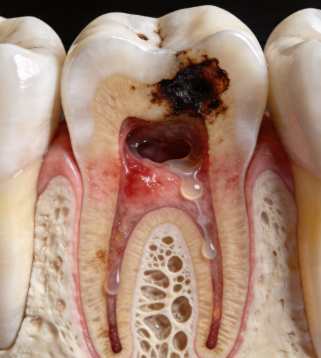
Three layers matter here, because they explain everything that follows:
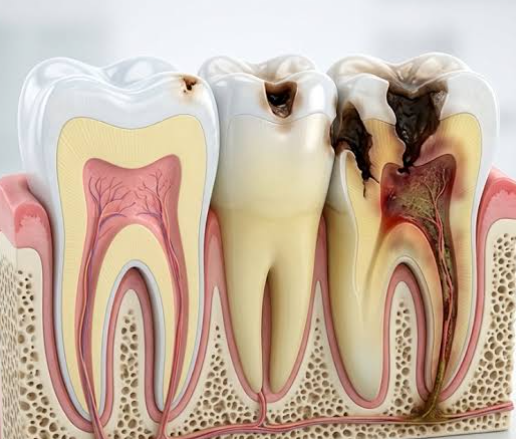
- Enamel is the tough outer shell. It contains no nerves, so decay here is usually painless.
- Dentin sits underneath. It’s softer and full of microscopic channels leading toward the nerve, so decay here starts causing sensitivity and spreads faster.
- Pulp is the living core, holding the nerve and blood vessels. Once bacteria reach it, pain and infection follow.
An untreated cavity steadily works its way through these layers in order. Knowing that sequence makes the rest of this article easy to follow.
The Journey of an Ignored Cavity
Every mouth is different, and decay moves faster in some people than others. Frequent snacking, dry mouth, and skipped brushing speed things up. Still, the stages are remarkably predictable.
The Silent Beginning
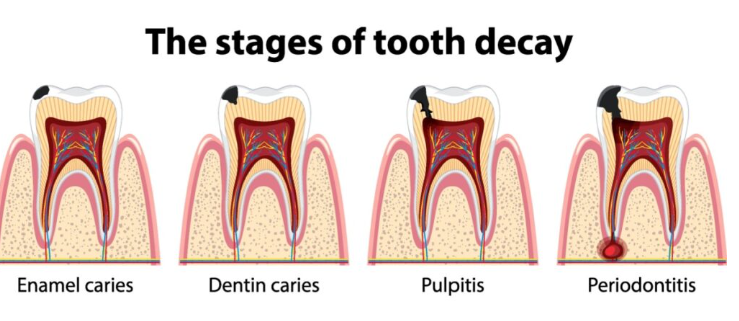
The earliest sign is a chalky white patch on the enamel, where minerals have been lost but the surface is still intact. This stage can actually heal. Fluoride, good brushing, and cutting back on sugary snacks can rebuild the area, and no drilling is needed. Sadly, it almost never hurts, so most people don’t notice it.
A Small Hole in the Enamel
If the process continues, the patch turns brown or gray and the surface breaks. A true cavity now exists. It’s still confined to the enamel, so it typically doesn’t hurt. A small tooth-colored filling usually fixes it in a single quick visit.
Reaching the Dentin
Once decay passes through the enamel, it speeds up. Dentin is softer, so the Untreated Cavity spreads sideways and inward more easily. This is usually when people first feel something: a twinge with cold water, a zing from sweets, or discomfort when chewing. An untreated cavity commonly reaches this stage within the first year or two, though the exact pace is personal.
Invading the Nerve
When decay gets to the pulp, bacteria infect the nerve. You may feel throbbing pain, sensitivity that lingers long after hot or cold, or pain that keeps you awake. In some people the nerve dies without much drama, and the tooth simply goes quiet. That silence is misleading, because the infection hasn’t gone anywhere.
An Abscess in the Bone
If the infection escapes through the tip of the root, it can form a pocket of pus in the surrounding bone. Signs include a pimple-like bump on the gum, a bad taste, facial swelling, and sometimes fever. This is a real dental emergency.
The Point of No Return
When too much of the tooth has been destroyed, it can no longer be repaired and has to be removed. In rare cases, an untreated infection can spread into the face or neck, which becomes seriously dangerous. These outcomes are uncommon, but they’re why dentists take neglected decay seriously.
The Hard Truths About Leaving a Cavity Alone
A Cavity Never Heals Itself
Early demineralization can reverse, but once there’s an actual hole, your body can’t rebuild it. No toothpaste, oil, or home remedy closes a cavity. An untreated cavity can only get bigger. This is the fact people misunderstand most, often because a painless tooth feels like a healing tooth.
Pain Is a Late Warning, Not an Early One
Enamel has no nerves, so the first stages are silent. By the time a cavity hurts, it has usually traveled a long way. Waiting for pain means waiting until the problem has already grown.
When the Pain Stops, Trouble May Be Starting
Many patients tell the same story. The tooth throbbed for a few days, then calmed down completely, so they assumed it healed. Often the nerve had died. The bacteria are still there, quietly spreading into the bone around the root. An untreated cavity can look peaceful on the surface while doing real damage underneath.
The Bill Grows Every Year
The longer decay is ignored, the more of the tooth is lost, and the bigger the treatment becomes. A small filling can turn into a large filling, then a crown, then a root canal with a crown, then possibly an extraction with an implant. Each step costs more money, more time, and more visits. That’s why an untreated cavity usually ends up costing several times what early treatment would have.
Infection Can Travel
Once bacteria leave the root tip, they can create an abscess in the jawbone. In rare cases, infection spreads through the soft tissues of the face and neck. Swelling that spreads, trouble swallowing or breathing, and fever all call for emergency care the same day.
Neighboring Teeth Pay the Price
A broken-down tooth affects the ones beside it. Food packs into the gap, decay can jump to adjacent surfaces, and teeth may drift out of position. Your bite can shift as you instinctively chew on the other side. One neglected tooth can start a chain reaction.
Your General Health and Daily Life Are Affected Too
Long-term dental infection adds a steady inflammatory burden to the body. Research links gum and tooth infections with conditions like heart disease and poorly controlled diabetes, though the connection is complicated and varies between people. Even setting medical risks aside, constant tooth trouble affects sleep, eating, concentration, and mood. Many patients say the biggest surprise after treatment is how much better they feel day to day.
Why Do So Many People Wait?
It’s worth saying this plainly: delaying care is incredibly common, and no good dentist will judge you for it. The usual reasons are:
- It doesn’t hurt. Without pain, there’s no sense of urgency.
- Fear. A bad experience in the past, or general dental anxiety, makes avoidance feel safer.
- Cost worries. Many people expect a huge bill and put it off until it becomes one.
- Time. Appointments slide down a busy to-do list.
- Hidden decay. Cavities between teeth or under old fillings can’t be seen without X-rays.
The aim isn’t to dwell on why it happened. It’s to get you from here to a healthy mouth using as little treatment as possible.
Signs a Untreated Cavity May Have Moved Deeper
Watch for any of these:
- Sensitivity to cold, heat, or sweets that lingers afterward
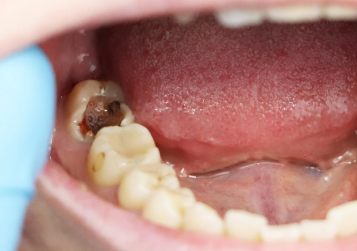
- A dark spot, brown stain, or visible hole
- Pain when biting or chewing
- Throbbing pain, particularly at night or lying down
- A bad taste or persistent odor from one area
- A bump or swelling on the gum
- Food that keeps getting stuck in the same spot
- Facial swelling, which needs urgent attention
Even one of these is reason enough to book a visit soon.
How Treatment Changes as Decay Progresses
The encouraging side of this topic is how fixable it usually is. Here’s how care typically matches each stage:
| Stage | Typical Treatment | How Involved |
|---|---|---|
| White spot, no hole | Fluoride and better habits | Very simple, no drilling |
| Small enamel cavity | Tooth-colored filling | One short visit |
| Dentin cavity | Larger filling or inlay | One visit |
| Large, weakened tooth | Crown | Usually two visits |
| Nerve involvement | Root canal and crown | One to three visits |
| Abscess | Antibiotics if needed, then root canal or extraction | Urgent, several visits |
| Tooth beyond repair | Extraction, then implant or bridge | A few months overall |
Most people with an untreated cavity fall somewhere in the middle of this table, which is very manageable. Modern techniques such as rubber dam isolation, magnification, and 3D imaging have made root canal treatment far more precise and comfortable than its old reputation suggests.
Can the Tooth Still Be Saved?
Very often, yes. A tooth with an untreated cavity can generally be saved when enough healthy structure remains to support a restoration and the surrounding bone and gum are in good shape. A root canal clears out the infected nerve tissue, and a crown then protects the tooth from cracking. Keeping your natural tooth is almost always the better path, because nothing replaces the feel and function of the real thing.
A tooth can’t be saved when too much structure is gone, when a vertical root fracture is present, or when bone loss is severe. Even then, a dental implant offers a strong, long-lasting replacement. Either way, an early evaluation keeps more of your options open.
What to Expect at Your First Visit Back
Many people picture the worst before they walk in. The reality is usually much calmer. A first visit after a long gap typically goes like this:
- A friendly conversation first. You’ll be asked about any pain, sensitivity, or worries, and about your general health and medications.
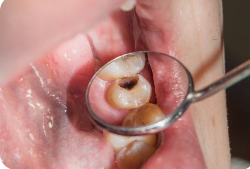
- A gentle examination. The dentist checks each tooth, your gums, and your bite, looking for decay, cracks, and old work that’s wearing out.
- Digital X-rays. These show decay between teeth, under fillings, and around the roots, none of which can be seen by eye. Modern digital X-rays use very low radiation.
- A clear explanation. You should see the images and hear what’s urgent, what can wait, and what your options are, with no pressure.
- A practical plan. Treatment is usually prioritized, so painful or infected teeth are handled first and smaller issues are scheduled afterward.
You are not expected to have everything fixed in one sitting. Plenty of patients spread care over several visits to suit their comfort and budget.
If You’ve Been Putting It Off, Here’s What to Do
- Get an exam and X-ray. Nobody can tell how far a Untreated Cavity has gone without imaging, and many patients are relieved to find it’s less advanced than they feared.
- Share your worries. If you’re anxious or watching your budget, say so. Dentists can use sedation, gentle techniques, and staged treatment plans.
- Handle urgent issues first. Pain, swelling, and infection come before anything cosmetic.
- Change the habits behind it. Brush with fluoride toothpaste twice a day, floss daily, and reduce frequent sugary snacking.
- Stay on a schedule. Checkups every six months catch new cavities while they’re tiny.
Keeping New Cavities Away
- Brush twice daily with fluoride toothpaste, and avoid rinsing right afterward
- Clean between your teeth every day, since many cavities start where a brush can’t reach
- Limit how often you snack on sweets or sip sugary drinks, because frequency matters more than total amount
- Drink water after meals, and chew sugar-free gum when you can’t brush
- Ask about sealants for deep grooves on back teeth
- Get regular exams and periodic X-rays so hidden decay shows up early
- Pay attention to small changes like a rough patch or new sensitivity
Myths That Keep People Away
“It doesn’t hurt, so it’s fine.” Decay can be painless even when it’s advanced.
“I’ll brush it away.” A cavity is a hole, not a stain. Brushing can’t remove it.
“Baby teeth don’t matter.” Untreated decay in baby teeth can cause pain and infection, and can affect the permanent teeth below.
“A home remedy will cure it.” Clove oil or oil pulling might soothe discomfort, but nothing reverses an established cavity.
“I’ll go when it hurts.” By then, a simple filling has often become a root canal.
When It’s an Emergency
Get urgent dental or medical help right away if you notice:
- Swelling of the face, jaw, or neck
- Fever together with tooth pain
- Difficulty swallowing or breathing
- Swelling that’s spreading quickly
- Severe pain that over-the-counter medicine doesn’t touch
These can point to a spreading infection, which should never be handled at home.
Frequently Asked Questions
How long does it take a cavity to reach the nerve? There’s no fixed timeline. In children, or in people with dry mouth and heavy sugar intake, it can take months. In others it takes several years. An untreated cavity left for years has a much higher chance of reaching the nerve, but speed varies a lot between individuals.
Can a cavity go away on its own? Only the earliest white-spot stage can reverse, and only with fluoride and better habits. Once a hole exists, it won’t close by itself.
Is it too late if I haven’t seen a dentist in years? Almost never. Even an untreated cavity can usually be treated, and starting now is much better than waiting longer.
Will I automatically need a root canal? Not necessarily. If the decay hasn’t reached the pulp, a filling or crown may be enough. An X-ray and exam will show which stage you’re in.
Can an old cavity affect my health beyond my mouth? Chronic infection adds to overall inflammation, and a spreading abscess can become serious. It’s uncommon, but it’s a good reason not to leave active infection alone.
Can decay happen under an old filling? Yes. New decay can form around or beneath an existing filling and stay hidden for a long time, so periodic X-rays matter even on teeth that were already treated.
What if I’m terrified of the dentist? Tell your dentist at the start. Gentle technique, topical numbing, sedation, and shorter visits can make treatment much more comfortable.
Conclusion
An untreated cavity isn’t a ticking time bomb with a precise countdown, but it is a problem that only moves forward. What begins as a tiny, simple repair can slowly become an infected, painful tooth that needs far more work. The key points are easy to remember: pain shows up late, decay never heals itself, and the earlier you act, the simpler, cheaper, and more comfortable treatment will be.
If you’ve been avoiding the dentist, today is a perfectly good day to stop. Almost every stage of decay can be treated safely, and a good dentist’s job is to help you get back on track, not to question how long it took.
At Joglekar’s Dental Solutions, every evaluation includes digital imaging so the real extent of decay is clear before treatment is planned. Natural teeth are saved wherever possible, using rubber dam isolation and magnification for precise, comfortable care.