
A root canal failing years later is more common than most patients realize. Learn the 7 warning signs, real causes, and safe treatment options.
For the overwhelming majority of patients, a root canal is a permanent, lasting fix, treatment that quietly does its job for decades without ever being thought about again. But there’s a less-discussed reality worth addressing honestly: a root canal failing years later is a real, clinically documented outcome, and it doesn’t always show up with the kind of obvious pain that led to the original treatment in the first place.
This guide walks through everything worth understanding about this kind of late-stage failure, why it can happen even after a treatment that seemed entirely successful, the 7 warning signs to watch for, how dentists actually confirm it, and the full range of treatment paths available if your previously treated tooth starts acting up again.
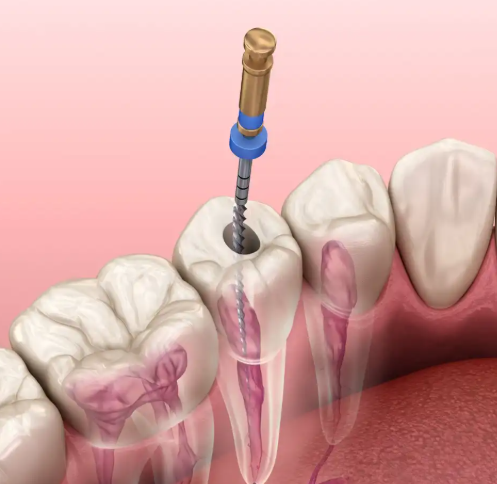
Is It Really Possible for a Root Canal to Fail Years Later?
Yes, and understanding the real numbers helps put this in perspective. Root canal treatment has a genuinely strong success rate, typically cited somewhere between 85 and 97 percent depending on case complexity and how well the restoration afterward holds up. Still, that leaves a real, non-trivial percentage of cases where a root canal failing years later becomes a legitimate clinical situation rather than a rare fluke.
Unlike the sharp, acute pain that usually accompanies the original infection, this kind of late-stage breakdown tends to progress gradually and quietly, sometimes over many months, before symptoms become noticeable enough to prompt a visit.
7 Warning Signs of a Root Canal Failing Years Later
1. A Dull Ache That Keeps Coming Back
A previously comfortable tooth that starts producing a mild, on-and-off ache, especially one that fades and returns over several weeks rather than staying constant, is one of the clearest early patterns of a root canal failing years later, even though the discomfort is usually far milder than the original toothache.
2. A Small Bump Reappears on the Gum
A recurring bump near the treated tooth, sometimes called a fistula or gum boil, usually means infection has returned at the root tip and is actively draining. This visible sign is one of the more specific, unmistakable indicators of trouble brewing beneath the surface.
3. Pain or Tenderness When Biting Down
A tooth that’s been pain-free for years suddenly becoming sore specifically under biting pressure is worth paying attention to. This kind of pressure sensitivity often points to inflammation or infection forming around the root tip, a pattern commonly tied to a treated tooth breaking down again, particularly when a new crack is the underlying cause.
4. The Tooth Starts Darkening in Color
A treated tooth that gradually changes shade, often greying or darkening compared to the surrounding teeth, can reflect internal changes years after the original procedure, sometimes from breakdown of the filling material, sometimes from renewed internal infection, both consistent with a root canal failing years later.
5. A New Crack Shows Up
Root canal-treated teeth lose some of their natural resilience once the nerve tissue is removed, making them more prone to fracture over time. A new crack forming in a previously treated tooth is actually one of the single most common causes behind this kind of delayed breakdown, often the result of years of ordinary biting force on a structurally weaker tooth.
6. A Lingering Bad Taste in One Specific Area
A persistent, localized bad taste or smell, even with otherwise good oral hygiene, can point to a slow, chronic infection draining internally near one specific tooth. This subtle sign is easy to miss until a dental exam specifically investigates late-stage failure as a possible cause.
7. An Unexpected Finding on a Routine X-Ray
Sometimes there are no symptoms at all, and the first indication is a dark shadow at the root tip spotted incidentally during a routine checkup. This symptom-free discovery is actually one of the most common ways a root canal failing years later gets identified, exactly why ongoing imaging matters even for teeth that feel perfectly fine.
Why Does a Successful Root Canal End Up Failing Years Later?
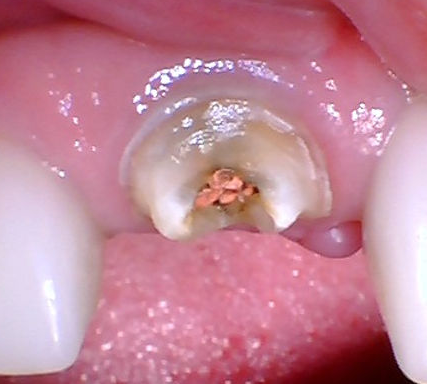
New Decay Reaches the Treated Area
A root canal-treated tooth isn’t immune to future decay around its crown or filling. If new decay progresses deep enough, bacteria can reach the previously sealed canal system again, one of the leading mechanisms behind a root canal failing years later.
A New Fracture Develops
As covered above, treated teeth are structurally more fragile long-term. A crack that develops from grinding, an accidental hard bite, or simple accumulated wear can let bacteria back into the tooth, a direct cause of this kind of delayed breakdown, independent of how well the original treatment was performed.
The Restoration on Top Breaks Down
The crown or filling placed after treatment is responsible for maintaining a long-term seal. If it cracks, loosens, or develops a gap at its edge over the years, bacteria can work their way back in, a purely mechanical reason behind this kind of breakdown that has nothing to do with the endodontic work itself.
A Complex or Missed Canal
Root canal anatomy can be genuinely intricate, occasionally including extra or curved canals that are difficult to fully access even with careful original treatment. In less common cases, this contributes to a root canal failing years later, sometimes only becoming clear once advanced imaging like CBCT is used during reevaluation.
New Trauma to the Tooth
A blow to the mouth, even long after treatment, can disturb a previously stable tooth, occasionally introducing a fracture or compromising the seal in a way that eventually results in the same late-stage breakdown.
How Dentists Confirm a Root Canal Failing Years Later
A Clinical Exam
Checking for swelling, tenderness when tapped, and any visible changes in the gum tissue around the tooth gives the first clues.
Standard X-Rays
A dark shadow at the root tip on an X-ray is one of the most reliable, common ways a root canal failing years later is confirmed in practice.
CBCT for Harder-to-Diagnose Cases
When standard X-rays don’t give a clear enough picture, or a subtle fracture or missed canal is suspected, CBCT offers a detailed three-dimensional view that can reveal what a standard X-ray simply can’t, often the deciding factor in correctly diagnosing late-stage failure.
What Treatment Actually Looks Like
Nonsurgical Retreatment
In many cases, the original filling material inside the canal can be removed, the space thoroughly recleaned and disinfected, and resealed. This conservative option is usually considered first for a root canal failing years later, provided the remaining tooth structure can still support it.
Apicoectomy
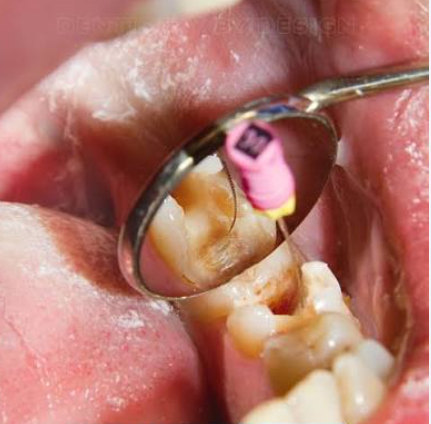
If nonsurgical retreatment isn’t suitable, a minor surgical procedure accessing the root tip directly can target infection that’s specifically isolated there, a more focused approach for certain presentations.
Extraction and Replacement
When this kind of late-stage failure involves a significant crack extending into the root, or the tooth is simply too compromised structurally, extraction followed by an implant or bridge becomes the more predictable long-term path forward.
Can You Prevent This From Happening?
- Get a permanent crown placed promptly after treatment rather than leaving a temporary filling in place too long, which raises the risk of recontamination
- Manage grinding or clenching with a nightguard, reducing the mechanical stress that leads to new cracks over time
- Keep up with regular checkups and X-rays, even on teeth that feel completely normal, since this is exactly how many cases of late-stage failure are caught before symptoms even start
- Avoid chewing on ice, pens, or other hard objects, which place disproportionate stress on root canal-treated teeth
- Treat new decay promptly anywhere near a previously treated tooth, rather than letting it progress unchecked
Frequently Asked Questions
How common is a root canal actually failing years later? It’s not the typical outcome, most root canals remain successful for life, but it’s far from rare either. Long-term studies generally place failure rates somewhere between roughly 3 and 15 percent, depending on case complexity and how well the final restoration was maintained.
Does it always cause noticeable pain? No. Many cases of this kind of late-stage failure are entirely painless and are only discovered incidentally through imaging during a routine visit, which is exactly why ongoing checkups matter.
Can the same tooth be retreated more than once if needed? Yes, nonsurgical retreatment can often be repeated, though each additional retreatment tends to carry a slightly lower success rate, making prompt attention to new symptoms genuinely worthwhile rather than waiting.
Is retreatment as uncomfortable as the original procedure? Retreatment is done under local anesthesia, and most patients describe a similar, manageable level of discomfort compared to their original treatment.
How many years after treatment can this still happen? There’s no fixed timeline. A root canal failing years later can occur anywhere from a year or two post-treatment to well over a decade afterward, which is exactly why continued monitoring remains relevant long after the original procedure feels like a distant memory.
Conclusion
This kind of late-stage failure isn’t the most likely outcome, but it’s a real, clinically recognized possibility that deserves honest attention rather than being dismissed. Recognizing the 7 warning signs covered here, a returning ache, gum swelling, pressure sensitivity, discoloration, a new crack, a lingering bad taste, or an incidental X-ray finding, gives you the best possible chance of catching it early, when treatment remains simpler, safer, and more conservative. If something about a previously treated tooth feels different, it’s worth getting it checked rather than assuming it’s unrelated to your original root canal.
At Joglekar’s Dental Solutions, previously treated teeth are evaluated with both clinical exams and CBCT imaging when needed, ensuring any sign of a root canal failing years later is identified early and treated with the most conservative option available.