
Wondering why your teeth look yellow despite brushing well? Discover 9 real causes, from enamel changes to diet, and what actually helps restore shine.
It’s one of the most common frustrations patients bring up: “I brush twice a day, I floss, so why do my teeth look yellow anyway?” It’s a fair question, and the honest answer is that yellowing is rarely just about how well you clean your teeth. Several completely different factors, some avoidable, some not, can all contribute to this, and understanding which one applies to you changes what actually helps.
This guide walks through 9 real, evidence-based reasons teeth look yellow, so you can stop blaming your hygiene routine unnecessarily and start addressing the actual cause.
Why Do Teeth Look Yellow in the First Place?
Before getting into specific causes, it helps to understand the basic structure involved. Enamel, the hard outer layer of your teeth, is naturally somewhat translucent. Underneath it sits dentin, a layer that is naturally yellowish in color. When enamel is thick, healthy, and white, it masks most of that yellow dentin underneath. When enamel thins, or when staining builds up on its surface, more of that underlying yellow becomes visible, this is fundamentally the mechanism behind most yellowing, regardless of the specific trigger.
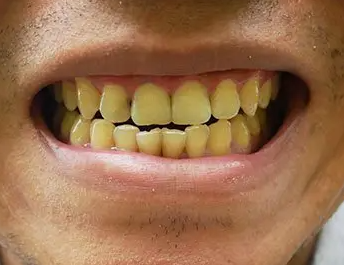
9 Real Reasons Teeth Look Yellow
1. Everyday Staining From Food and Drinks
Coffee, tea, red wine, and dark sodas contain pigmented compounds called chromogens that stick to the outer enamel surface over time. This is the single most common reason teeth look yellow in adults, since these are daily habits for a huge portion of the population, and staining builds up gradually enough that people rarely notice it happening in real time.
2. Tobacco Use
Both smoking and chewing tobacco leave behind tar and nicotine residue that stains enamel, often more stubbornly than food or drink alone. Tobacco-related staining tends to be denser and can leave a slightly brownish tint that’s noticeably harder to remove with regular brushing.
3. Natural Enamel Thinning With Age
As enamel gradually wears down over decades of chewing, temperature changes, and everyday acid exposure, more of the naturally yellow dentin underneath becomes visible. This is one of the main reasons older adults often notice their teeth look yellow even without any change in their oral hygiene habits, it’s simply a structural, age-related shift rather than a hygiene failure.
4. Genetics
Enamel thickness and natural dentin color vary from person to person, some people are simply born with thinner or more translucent enamel, giving their smile a more yellow tone compared to a sibling or parent with naturally thicker, whiter enamel, regardless of identical habits.
5. Fluorosis From Childhood Fluoride Exposure
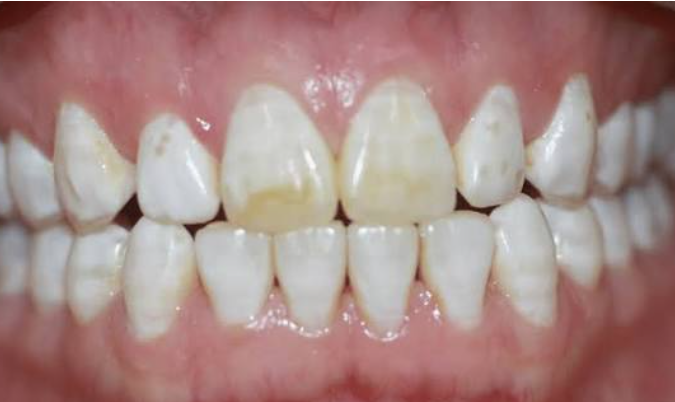
Excessive fluoride exposure during childhood tooth development, often from swallowing toothpaste or overly fluoridated water, can cause a condition called fluorosis. Depending on severity, this can create white streaks or, in some cases, cause teeth to look yellow or brown once fully erupted, a permanent cosmetic change from a growth-stage exposure.
6. Certain Medications
Some antibiotics, particularly tetracycline taken during childhood or by a mother during pregnancy, are well known to cause intrinsic staining, grey, or brown tones from within the tooth structure itself, rather than on the surface. Certain antihistamines and blood pressure medications have also been associated with staining in some patients.
7. Dry Mouth and Reduced Saliva Flow
Saliva plays a constant, quiet role in washing away staining compounds and food particles throughout the day. When saliva flow is reduced, whether from dehydration, medication side effects, or mouth breathing, staining tends to build up faster, another reason teeth look yellow more quickly in people dealing with chronic dry mouth.
8. Old Fillings, Crowns, or Dental Work
Older dental materials, particularly older amalgam fillings or aging composite work, can discolor over time and cast a yellowish or greyish tint on the surrounding tooth structure, sometimes making an otherwise healthy-looking tooth look yellow specifically around an old restoration.
9. Acidic Diet Weakening Enamel
A diet heavy in acidic foods and drinks, citrus, vinegar-based dressings, soda, can gradually erode enamel’s outer layer. As this thin protective layer wears away faster than it naturally regenerates, that yellow dentin shows through sooner than it otherwise would, since less enamel means more visible dentin underneath.
Why “Better Brushing” Isn’t Always the Fix
This is worth stating clearly: if this kind of yellowing persists despite a genuinely solid oral hygiene routine, brushing harder or more often usually won’t solve it, and can actually backfire by wearing down enamel further. Several of the 9 causes above, genetics, medication history, fluorosis, aging, have nothing to do with how well you’re currently cleaning your teeth. Identifying which category your case falls into matters far more than simply brushing more aggressively.
What Actually Helps
For Surface Staining (Causes 1, 2, 7, 9)
Professional or dentist-supervised at-home whitening treatments are genuinely effective here, since these causes involve staining sitting on or near the enamel surface, exactly what whitening agents are designed to lift.
For Structural or Intrinsic Causes (Causes 3, 4, 5, 6)
Surface whitening has limited effect on staining that originates from within the tooth structure itself. In these cases, options like dental bonding or veneers, which mask rather than bleach the underlying color, tend to give a more predictable, lasting result.
For Restoration-Related Discoloration (Cause 8)
Replacing an old, discolored filling or crown directly addresses the issue at its source, often making a bigger visible difference than any whitening approach applied around it.
A proper evaluation is the fastest way to know which category applies to you, rather than guessing and spending on a treatment that isn’t suited to the actual cause.
Prevention Tips Going Forward
- Rinse with water after coffee, tea, or wine rather than letting staining compounds sit on enamel
- Use a straw for staining beverages when practical
- Stay hydrated to support natural saliva flow and its staining-defense function
- Avoid tobacco products, one of the most stubborn and preventable contributors
- Keep up with regular professional cleanings, which remove surface buildup that daily brushing alone can miss
- If enamel erosion from diet is a factor, moderate acidic food and drink frequency rather than eliminating it outright
Frequently Asked Questions
Can yellowing happen even with perfect oral hygiene? Yes, absolutely. Genetics, natural aging, past medication exposure, and fluorosis can all make teeth look yellow regardless of how consistently or well someone brushes and flosses.
Does whitening toothpaste actually work for yellow teeth? It offers mild improvement for surface staining only, and is generally less effective than professional whitening. For structural or intrinsic causes, whitening toothpaste typically has little to no visible effect.
Is it normal for teeth to look yellow as you get older? Yes, gradual enamel thinning with age is a well-documented, natural process that reveals more of the underlying yellow dentin over time, even in people with excellent oral hygiene throughout their life.
Can genetics really be the reason for my tooth color? Yes. Natural enamel thickness and dentin color vary between individuals, meaning two people with identical habits can have noticeably different natural tooth shades.
Should I see a dentist before trying at-home whitening? It’s a good idea, particularly since whitening works well for some of the 9 causes covered here but has little effect on others, a quick evaluation helps avoid spending on a treatment that won’t address your specific cause.
If your teeth look yellow despite a genuinely careful oral hygiene routine, the explanation is very likely one of these 9 real, well-documented causes rather than a hygiene shortfall. From everyday staining and aging enamel to genetics, medication history, and old dental work, each cause responds differently to treatment, which is exactly why identifying the right one matters more than simply brushing harder.
A proper evaluation can pinpoint which of these factors applies to your specific case, so any time or money spent on whitening or cosmetic treatment actually addresses the real underlying cause. Visit or contact Joglekar’s Dental Solutions if you wish to get a checkup.