
Struggling with recurring mouth ulcers? Discover the real causes behind canker sores, safe home care tips, and when it’s time to see a dentist.
Almost everyone has dealt with a mouth ulcer at some point, that small, painful white or yellow sore that seems to show up at the worst possible time, right as you’re eating, talking, or brushing. For most people, they’re an occasional nuisance. For others, mouth ulcers causes become a genuinely frustrating pattern, showing up every few weeks without any obvious trigger.
This guide walks through the real, everyday reasons mouth ulcers develop, what makes some people more prone to recurring ones than others, safe ways to manage the discomfort, and when a mouth ulcer is worth having a dentist take a closer look.
What Exactly Is a Mouth Ulcer?
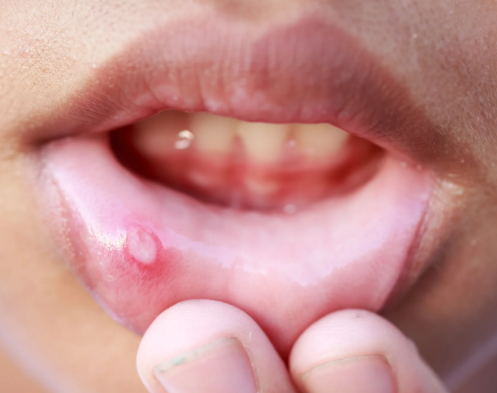
A mouth ulcer, often called a canker sore, is a small, shallow, painful lesion that forms on the soft tissue inside the mouth, the inner cheeks, lips, tongue, or floor of the mouth. Unlike a cold sore, which appears on the outside of the lips and is caused by a herpes virus, mouth ulcers are not contagious and typically heal on their own within one to two weeks.
Understanding the common mouth ulcers causes is genuinely useful, because while most are harmless, identifying the specific trigger behind yours can meaningfully reduce how often they show up.
Common Mouth Ulcers Causes
1. Accidental Trauma From Biting or Brushing
One of the most frequent mouth ulcers causes is simple physical trauma, accidentally biting the inside of your cheek while eating or talking, a rough edge from a broken tooth or filling catching the soft tissue, or brushing too aggressively near the gumline. This type of ulcer typically appears right at the site of the injury within a day or two.
2. Acidic or Abrasive Foods
Citrus fruits, tomatoes, pineapple, and other highly acidic foods are well-known triggers. For people already prone to ulcers, these foods can irritate the soft tissue enough to spark a new sore, or worsen one that’s already healing.
3. Sodium Lauryl Sulfate (SLS) in Toothpaste
This is one of the more overlooked mouth ulcers causes. SLS is a foaming agent found in many common toothpaste brands, and several studies have linked it to an increased frequency of mouth ulcers in sensitive individuals. Switching to an SLS-free toothpaste is a simple experiment worth trying if ulcers seem to appear frequently.
4. Vitamin and Mineral Deficiencies
Low levels of vitamin B12, folate, iron, or zinc are consistently linked to recurring mouth ulcers. This is one of the more actionable mouth ulcers causes to investigate, since a simple blood test can confirm a deficiency, and correcting it often noticeably reduces how often ulcers appear.
5. Hormonal Changes
Many people notice a pattern of mouth ulcers tied to their menstrual cycle, pregnancy, or other periods of hormonal fluctuation. This hormonal link is a well-documented, though not fully understood, contributor among the range of mouth ulcers causes.
6. Food Sensitivities
Certain foods, chocolate, coffee, strawberries, eggs, nuts, and cheese among the most commonly reported, seem to trigger ulcers in some individuals, likely through a mild sensitivity or allergic-type response in the soft tissue.
7. Braces, Retainers, or Ill-Fitting Dental Appliances
Orthodontic brackets, wires, or a denture that doesn’t fit quite right can create repeated friction against the same spot in the mouth, making this a very direct and identifiable cause among mouth ulcers causes for anyone wearing dental appliances.
8. Genetics and Family History
If a parent or sibling deals with frequent mouth ulcers, you’re statistically more likely to as well. A genetic predisposition is a recognized factor, even without a clear environmental trigger present.
9. Underlying Health Conditions
Less commonly, recurring mouth ulcers can be linked to conditions like celiac disease, inflammatory bowel disease, or certain autoimmune conditions. This is one of the mouth ulcers causes that’s important not to overlook if ulcers are frequent, severe, or accompanied by other symptoms like digestive issues or unexplained fatigue.
How to Manage a Mouth Ulcer Safely at Home
- Rinse with warm salt water several times a day to keep the area clean and reduce irritation
- Avoid acidic, spicy, or rough-textured foods while the ulcer heals, since these can aggravate it further
- Use an over-the-counter oral gel designed to numb the area and form a protective barrier over the sore
- Switch to a soft-bristled toothbrush and gentle technique near the affected area
- Try an SLS-free toothpaste if ulcers are a recurring issue, particularly if you haven’t ruled this out before
Most ulcers heal within 7-14 days without any specific treatment beyond basic comfort care.
When Should You See a Dentist About Mouth Ulcers?
While most mouth ulcers are harmless and self-limiting, certain patterns are worth a proper evaluation:
- An ulcer that hasn’t healed after 2-3 weeks
- Ulcers that are unusually large or spreading
- Very frequent recurrence, multiple times per month
- Ulcers accompanied by fever, swollen lymph nodes, or feeling generally unwell
- Pain severe enough to interfere with eating or drinking
- A sore that appears alongside other new symptoms, like unexplained weight loss or digestive changes
In these cases, a dentist can help rule out a dental cause like a sharp edge or ill-fitting appliance, and if needed, refer you for further evaluation of an underlying health condition.
Frequently Asked Questions
Are mouth ulcers contagious? No. Unlike cold sores, which are caused by a virus, ordinary mouth ulcers are not contagious and cannot be passed to another person.
Can mouth ulcers be a sign of oral cancer? The vast majority of mouth ulcers are completely benign and unrelated to cancer. However, a sore that doesn’t heal within three weeks, or one with unusual features like hardened edges, should always be evaluated by a dentist to rule this out.
Does toothpaste really cause mouth ulcers? For some individuals, yes. Sodium lauryl sulfate, a common foaming ingredient, has been linked in research to increased ulcer frequency in sensitive people. It’s not a universal trigger, but it’s worth testing an SLS-free alternative if ulcers are a recurring problem.
Can children get recurring mouth ulcers? Yes, children can experience the same range of mouth ulcers causes as adults, including trauma from biting, acidic foods, and nutritional factors, and the same home care approaches generally apply.
Should I stop eating certain foods permanently if they trigger ulcers? Not necessarily forever, but if you notice a consistent pattern with a specific food, reducing or avoiding it during periods when you’re prone to ulcers is a reasonable, low-risk approach.
Mouth ulcers are frustrating precisely because they can feel random, but in most cases there’s a genuine, identifiable trigger behind them. Understanding the common mouth ulcers causes, from simple accidental trauma to toothpaste ingredients, nutritional gaps, or hormonal patterns, makes it far easier to reduce how often they show up rather than just treating each one as it comes.
If ulcers are a frequent, ongoing pattern for you, it’s worth having a proper evaluation rather than assuming it’s simply bad luck.