
Yes, a cavity under filling can develop without warning. Learn the hidden signs, real causes, and how to safely catch and treat it before it spreads.
Most patients assume that once a tooth has been filled, it’s permanently protected in that spot. It’s an understandable assumption, but it’s not entirely true. A cavity under filling is more common than most people realize, and because it develops beneath a surface that already looks “fixed,” it’s often one of the more hidden, easy-to-miss dental problems out there.
This guide explains exactly how decay can form beneath an existing filling, the warning signs to watch for, why it’s riskier than a first-time cavity in some ways, and what treatment safely looks like once it’s caught.
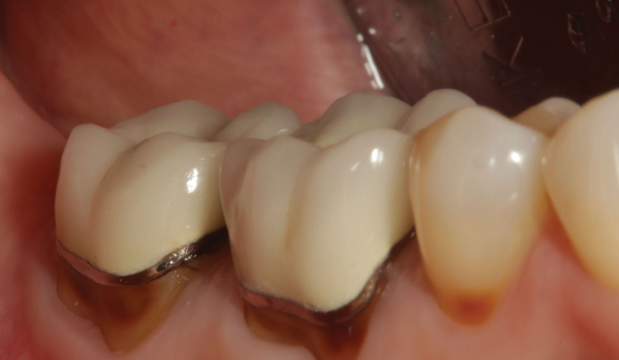
Can You Really Get a Cavity Under an Existing Filling?
Yes. New decay beneath an existing restoration can absolutely develop, even years after the original treatment. Fillings restore the damaged part of a tooth, but they don’t make the surrounding tooth structure immune to future decay. New bacteria and acid exposure can attack the tooth around or beneath the edges of an old filling just as easily as they would attack any other part of a tooth.
This is exactly why “I already have a filling there” isn’t a guarantee against future problems, and why this kind of hidden decay remains a genuine, ongoing risk that needs monitoring over time.
Why Does a Cavity Under Filling Happen?
Marginal Leakage
Over time, the seal between a filling and the surrounding tooth can weaken. Even a microscopic gap at this margin allows bacteria and food particles to seep underneath the filling, where they’re effectively hidden from a toothbrush and often invisible to the eye. This gradual breakdown is one of the most common paths toward decay forming beneath a filling.
Filling Material Wear and Age
Fillings, like most materials subject to years of biting force, temperature change, and general wear, don’t last indefinitely. As they age, they can develop small cracks or gaps that create the ideal hidden environment for new decay to take hold beneath the surface, unnoticed.
Recurrent Decay at the Edges
Even with a well-placed filling, the tooth structure right at its border remains vulnerable, especially if oral hygiene in that specific area isn’t thorough. This edge zone is the single most common location where hidden decay actually begins.
Poor Original Fit or Placement
In some cases, if a filling wasn’t perfectly sealed or contoured at the time it was placed, that imperfect fit creates a head start for bacteria, making new decay beneath that filling more likely sooner rather than later.
Ongoing Sugar and Acid Exposure
The same everyday habits that caused the original cavity, frequent sugary snacking, sipping acidic drinks, inconsistent brushing, continue to put the area around any existing filling at risk, regardless of how well the initial treatment was done.
Warning Signs to Watch For
Because a cavity under filling develops out of direct sight, the signs are often subtler than a first-time cavity:
- New sensitivity to hot, cold, or sweet foods in a tooth that previously felt fine
- A dull ache or pressure sensation when chewing on that specific tooth
- Visible dark staining or discoloration at the edge where the filling meets the tooth
- A rough or slightly different texture felt with your tongue near an old filling
- The filling itself feeling loose, or a small piece appearing chipped
- A persistent bad taste localized to one area of the mouth
None of these signs are dramatic on their own, which is exactly why this kind of hidden decay so often goes unnoticed until a routine checkup or X-ray reveals it.
Why This Type of Cavity Can Be Riskier
A cavity under filling carries a specific risk that a first-time cavity doesn’t: because it’s developing beneath an existing restoration, it’s essentially invisible during everyday brushing and often harder to spot even during a casual visual exam. By the time it’s caught, either through an X-ray or because symptoms finally appear, the decay may already be more advanced than a typical surface cavity would be at the point of detection.
This delayed discovery is why regular checkups, including periodic X-rays, matter even for teeth that already have fillings, since decay hiding beneath a restoration doesn’t announce itself the way a fresh, exposed cavity often does.
How Is a Cavity Under Filling Treated?
Removing and Replacing the Filling
For most cases, the existing filling is removed, the new decay is cleaned out, and a fresh filling is placed. This is the most common and most conservative treatment path when the problem is caught at a reasonably early stage.
A Crown, If Structural Damage Is Significant
If the decay has compromised a larger portion of the tooth, or if the tooth has already been filled multiple times over the years, a crown may offer a more durable, protective solution than another filling alone.
Root Canal Treatment, If Decay Reaches the Nerve
In more advanced cases, where the decay has progressed deep enough to affect the pulp, root canal treatment becomes necessary before the tooth can be safely restored and protected with a crown.
The specific treatment always depends on how far the decay has spread by the time it’s discovered, which circles back to why early detection matters so much.
How to Reduce Your Risk
- Keep up with routine checkups and X-rays, even for teeth that already have fillings, since this remains the most reliable way to catch a hidden problem early
- Maintain thorough brushing and flossing around existing fillings, paying particular attention to the edges where the filling meets the natural tooth
- Limit frequent sugar and acid exposure, the same habits that protect natural teeth also protect the areas surrounding old fillings
- Mention any new sensitivity or discomfort promptly, rather than waiting to see if it resolves on its own
- Ask your dentist about the age and condition of older fillings during checkups, since fillings placed many years ago are statistically more likely to be developing wear at their margins
Frequently Asked Questions
How common is it to get a cavity under an existing filling? It’s fairly common, particularly in fillings that are more than 5-10 years old. Filling margins naturally wear over time, making this a realistic long-term risk rather than a rare exception.
Will I definitely feel pain if I have a cavity under filling? Not necessarily. Many cases are caught on X-ray before symptoms appear, which is exactly why routine imaging matters even when a tooth feels completely normal.
Does a cavity under filling mean the original treatment was done poorly? Not usually. In most cases, it reflects natural wear and ongoing bacterial exposure over time rather than an error in the original work. Even well-placed fillings can develop this issue eventually.
Can a cavity under filling be prevented completely? It can’t be guaranteed to never happen, but consistent oral hygiene, limited sugar frequency, and regular dental checkups significantly reduce the likelihood and help catch it early if it does occur.
How is a cavity under filling actually detected if I can’t see it? Dentists typically detect it through a combination of X-rays, which reveal shadowing beneath the filling, and clinical exams checking for sensitivity, texture changes, or visible staining at the filling’s edge.
A cavity under filling is one of those dental problems that hides in plain sight, developing beneath a surface that already looks fine on the outside. Understanding that a filling doesn’t offer permanent immunity to decay, and staying consistent with routine checkups and X-rays, is the most reliable way to catch it early, while treatment is still simple and conservative.
If you have older fillings and haven’t had them checked recently, it’s worth asking about their condition at your next visit rather than assuming everything underneath is still exactly as it was the day they were placed.
If you notice any problems be sure to visit our clinic and contact us.