Receding gums often develop slowly and silently. Learn the 7 warning signs, real causes, and treatment options before permanent damage sets in.
This rarely happen overnight. They creep in slowly, month after month, until one day you notice a tooth looks longer than it used to, or a spot near the gumline feels sensitive in a way it never did before. By the time most patients actually mention it during a checkup, receding gums have often been progressing quietly for a year or more.
What Are Receding Gums, Exactly?
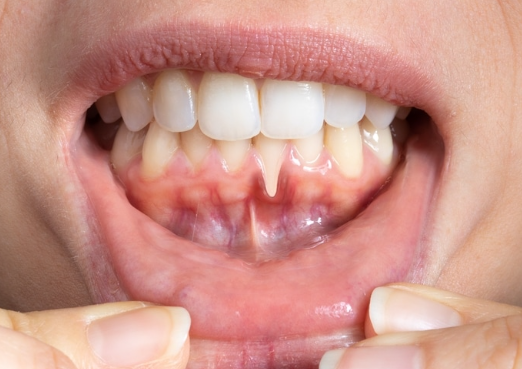
Receding gums describe the gradual loss of gum tissue around a tooth, exposing more of the tooth’s root surface than should normally be visible. Unlike enamel on the crown of the tooth, root surfaces aren’t covered by hard enamel, which is why receding gums so often come paired with sensitivity, exposed root discoloration, and a higher risk of root decay.
Once gum tissue recedes, it generally doesn’t grow back on its own. This is precisely why catching it early, while the recession is still minor, makes such a meaningful difference in long-term outcomes.
7 Warning Signs of Receding Gums
1. A Tooth Looking “Longer” Than Before
This is often the first visible clue. As gum tissue pulls back, more of the tooth’s root becomes exposed, creating the appearance of a longer tooth. Patients frequently notice this by comparing old photos to how their smile looks now, rather than catching it in real time.
2. Sensitivity to Cold, Hot, or Sweet
Once gum recession exposes the root surface, that area lacks the protective enamel layer covering the rest of the tooth. This makes it far more reactive to temperature and sugar, often the first physical sensation patients associate with gum recession, even before they notice any visual change.
3. A Visible Notch or Groove Near the Gumline
Sometimes called a V-shaped notch, this indentation right at the gumline is a strong sign of receding gums combined with mechanical wear, often from aggressive brushing pressure over the exposed root surface.
4. Gums That Feel Tender or Look Inflamed
This is frequently accompanied by inflammation, especially in the early stages when gum disease is the underlying driver. Tenderness, puffiness, or a slightly darker red color near the gumline are all worth noting.
5. Teeth That Feel Loose or Less Stable
As gum and supporting bone recede further, the tooth loses some of its structural support. Mild looseness is a sign that receding gums may have progressed beyond the earliest stage and moved into more significant attachment loss.
6. Visible Color Difference at the Gumline
The exposed root surface often looks slightly yellow or darker than the white enamel above it, creating a two-toned appearance right where receding gums have pulled back.
7. Food Getting Caught in New Spots
As gum tissue recedes and small gaps open up between teeth that never used to trap food, this is often one of the more functional, everyday signs of receding gums that patients notice simply through daily eating.
What Actually Causes Receding Gums?
Gum Disease (Periodontal Disease)
This is the leading cause. Bacterial plaque buildup below the gumline triggers chronic inflammation, which gradually breaks down the gum tissue and the bone supporting it, causing receding gums to progress even without any pain in the early stages.
Aggressive Brushing
Brushing too hard, or using a hard-bristled toothbrush, can mechanically wear away gum tissue over time. This is a surprisingly common cause of receding gums in patients who are otherwise diligent about their oral hygiene, simply because more pressure feels like it’s cleaning better, when it’s actually causing damage.
Genetics
Some people are simply born with thinner gum tissue or a naturally different tooth position, both of which make receding gums more likely regardless of oral hygiene habits.
Teeth Grinding and Clenching
The excess force from grinding or clenching doesn’t just stress the teeth, it stresses the surrounding bone and gum tissue too, contributing to receding gums over years of repeated pressure.
Tobacco Use
Tobacco products are strongly linked to gum disease progression and reduced blood flow to gum tissue, both of which accelerate receding gums considerably faster than in non-users.
Misaligned Teeth or Bite Issues
Teeth that sit outside the normal dental arch, or an uneven bite, can place uneven pressure on certain areas, making those specific spots more prone to receding gums than the rest of the mouth.
Hormonal Changes
Pregnancy, menopause, and other hormonal shifts can increase gum sensitivity and inflammation, sometimes accelerating receding gums during those periods specifically.
Why Ignoring Receding Gums Is Risky
It’s worth being direct about what happens if receding gums are left unaddressed:
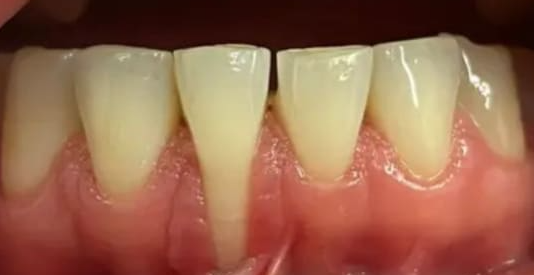
- Root exposure increases decay risk, since root surfaces lack enamel and are far more vulnerable to cavities than the crown of the tooth
- Bone loss can follow, since gum recession is often linked to loss of the underlying bone that holds the tooth in place
- Tooth sensitivity tends to worsen over time as more root surface becomes exposed
- In advanced cases, tooth loss becomes a real risk, particularly when receding gums are driven by untreated gum disease
- Recession doesn’t reverse on its own — once gum tissue is gone, only professional treatment can restore or manage it, waiting doesn’t improve the situation
How Are Receding Gums Treated?
Deep Cleaning (Scaling and Root Planing)
For receding gums caused by early gum disease, a thorough deep cleaning below the gumline removes plaque and tartar buildup, helping halt further progression before it worsens.
Improved Brushing Technique
If aggressive brushing is the cause, switching to a soft-bristled brush and a gentler technique can prevent receding gums from progressing further, though it won’t restore tissue already lost.
Night Guards for Grinding
For patients where clenching or grinding is a contributing factor, a custom night guard reduces the excess force responsible for accelerating receding gums.
Gum Graft Surgery
In more advanced cases, a gum graft procedure can restore lost tissue by taking gum from another area (or using specialized grafting material) and attaching it to the receded site, covering exposed roots and reducing sensitivity.
Addressing the Underlying Cause
Whether it’s orthodontic correction for misalignment, quitting tobacco, or managing a bite issue, treating the actual driver behind receding gums is just as important as treating the visible recession itself.
Frequently Asked Questions
Can receding gums grow back on their own? No. Once gum tissue recedes, it typically doesn’t regenerate naturally. Treatment can stop progression and, in some cases, restore tissue through grafting, but it won’t reverse on its own.
Is it normal to have some gum recession with age? Mild recession does become more common with age, but “normal aging” shouldn’t be assumed as the automatic explanation. Receding gums at any age are worth evaluating to rule out gum disease or other active causes.
Does teeth whitening make receding gums worse? Not directly, but whitening products applied to exposed root surfaces can increase sensitivity in areas already affected by receding gums, so it’s worth mentioning any recession to your dentist before starting a whitening treatment.
How can I tell if my receding gums are from brushing too hard or gum disease? Recession from brushing tends to appear as a clean, localized notch, often on the side you brush most aggressively. Recession from gum disease usually comes with inflammation, bleeding, or more generalized changes across several teeth. A dental evaluation can clarify which is driving it.
Can receding gums cause bad breath? Yes, particularly when the underlying cause is gum disease, since the same bacterial buildup responsible for the recession is also a common contributor to persistent bad breath.
Receding gums develop quietly, which is exactly why they’re so often caught later than they should be. Recognizing these 7 warning signs early, whether it’s a slightly longer-looking tooth, new sensitivity, or a visible notch near the gumline, gives you a real chance to stop the progression before it advances into bone loss or tooth instability. If you notice any problems visit our clinic.
If you’ve noticed any of these changes, it’s worth getting evaluated rather than waiting to see if it gets worse on its own, since receding gums don’t correct themselves without intervention.