
Learn simple, effective ways to Prevent Cavities and what to do if you already have one. Expert cavity prevention and treatment tips from our Chinchwad clinic.
Cavities are one of the most common dental problems, but also one of the most preventable. The good news: with the right daily habits, you can Prevent Cavities entirely. And if you already have one, catching it early makes treatment simple and painless.
What Causes Cavities?
Cavities form when bacteria in your mouth feed on sugars and starches, producing acid that gradually wears away tooth enamel. Left untreated, this weakens the tooth further, eventually reaching the inner layers and causing pain or infection.
The good news is this process is slow and preventable at nearly every stage so you can easily Prevent Cavities if you decide to.
How to Prevent Cavities
1. Brush properly, not just often Twice a day with fluoride toothpaste, for a full two minutes, reaching every surface, not just the front teeth.
2. Floss daily Cavities often form between teeth where a brush can’t reach. Flossing removes trapped food and plaque before it turns into decay.
3. Cut down on frequent snacking It’s not just sugar amount that matters, it’s frequency. Constant snacking keeps your mouth in an acidic state all day, giving bacteria more opportunity to damage enamel.
4. Rinse or drink water after eating Simple water swish after meals helps clear food particles and dilute acids when brushing right away isn’t possible.
5. Don’t skip regular checkups Many cavities start silently, with no pain at all. Regular visits catch them early, often before you’d notice anything yourself.
6. Consider fluoride treatments For patients prone to cavities, professional fluoride application adds an extra layer of protection to strengthen enamel.
Cavities in Children vs. Adults
Children are often more prone to cavities due to less consistent brushing habits and frequent sugary snacks, which is why early dental visits and sealants are commonly recommended. Adults face different risk factors, including receding gums, dry mouth from medications, and old fillings that can wear down over time. Prevention strategies should be tailored accordingly, but the core habits, brushing, flossing, and regular checkups, apply at every age.
Signs You Might Already Have a Cavity
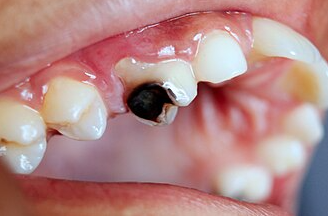
- Sensitivity to hot, cold, or sweet foods
- Visible dark spots or holes on a tooth
- Pain while chewing
- Ongoing bad breath despite good hygiene
If any of these sound familiar, it’s worth getting checked before it progresses further.
How Cavities Are Treated
Early stage: Small cavities are treated with a simple filling, often finished in one visit with minimal discomfort.
Moderate stage: If decay has progressed deeper, a more extensive filling or a crown may be needed to fully restore the tooth’s strength.
Advanced stage: If decay reaches the nerve, root canal treatment becomes necessary to save the tooth. This is exactly why catching cavities early matters so much, it keeps treatment simple.
Why Early Detection Makes All the Difference
A cavity caught early might need nothing more than a small filling completed in under 30 minutes. Left untreated, the same cavity can eventually require root canal treatment or even extraction. The earlier it’s found, the simpler, faster, and more affordable the fix.
A Quick Note on Diet
While sugar gets most of the blame, acidic foods and drinks like citrus, soda, and even sports drinks can also weaken enamel over time. This doesn’t mean cutting them out completely, just being mindful of frequency and rinsing with water afterward when possible.
Worried You Might Have a Cavity?
Don’t wait for pain to show up, by then, the damage is often further along. Come in for a checkup, and we’ll catch it early if there’s anything there at all.