
Nervous about root canals? Discover how Painless Root Canal Treatment works with modern technology at our Chinchwad clinic. Comfortable, precise, and stress-free.
If the words “root canal” make you a little nervous, you’re not alone. It’s probably the most feared phrase in dentistry, and honestly, it doesn’t deserve that reputation anymore.
Root canal treatment today is nothing like the stories you’ve heard from older generations. With better technology, better technique, and a better understanding of patient comfort, it’s now one of the most predictable and comfortable procedures we do.
Here’s what’s actually changed, and what you can expect if you ever need one.
Why Root Canals Got a Bad Reputation
Years ago, dentists worked with limited visibility, basic instruments, and no way to see inside a tooth before starting treatment. Procedures took longer, discomfort was harder to manage, and the margin for error was higher.
That experience got passed down, story after story, until “root canal” became shorthand for pain. But that’s not how painless root canal treatment works anymore.
What’s Different Today: How Painless Root Canal Treatment Works
Modern root canal treatment relies on precision, and that precision comes from technology most patients never see but definitely benefit from.
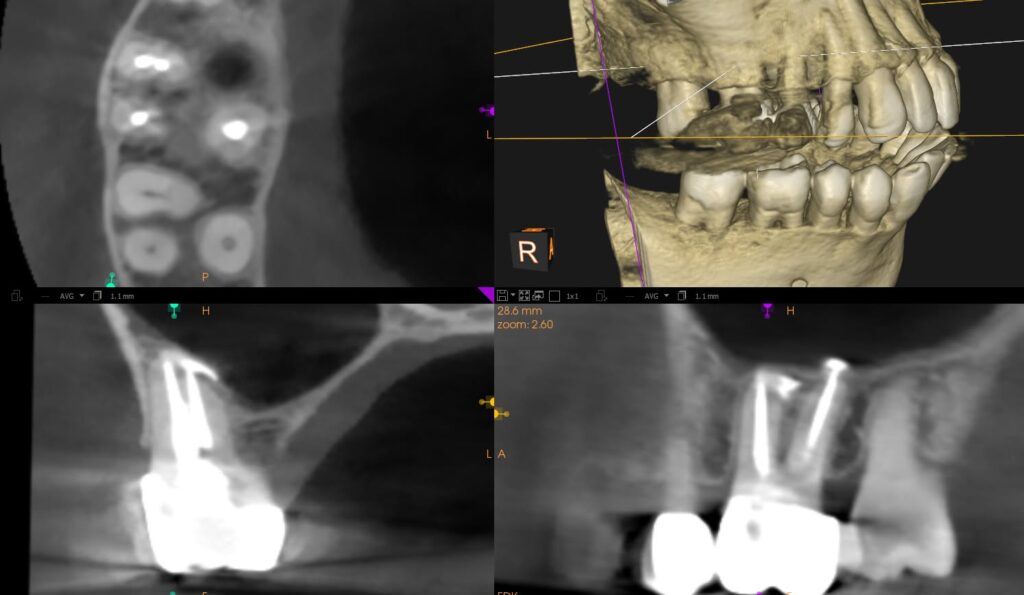
3D imaging before we even start. With CBCT scanning, we can see the exact shape, curve, and condition of the root canals inside your tooth before treatment begins. No guesswork. We know exactly what we’re dealing with.
Magnification that changes everything. A dental operating microscope lets us see details inside the tooth that are invisible to the naked eye. This means cleaner canals, fewer missed areas, and a much higher success rate.
A controlled, sterile environment. Rubber dam isolation keeps the tooth completely isolated from saliva and bacteria during the procedure. It’s a small step that makes a big difference in how predictable and safe the treatment is.
Put together, these three things mean faster procedures, more comfort during treatment, and results that last.
What to Expect During Painless Root Canal Treatment
Most patients are surprised to hear this about painless root canal treatment: the procedure itself is usually no more uncomfortable than getting a filling.
Here’s the honest walkthrough. You’re numbed properly first, so the area is completely comfortable before we begin. The rubber dam goes on, which actually helps you relax since nothing else touches your mouth. Then, using the microscope and CBCT guidance, we clean out the infected or damaged tissue inside the tooth, shape the canals, and seal them.
Most of the discomfort people fear is actually from the toothache that brought them in, not the treatment itself. Once the infected nerve is addressed, most patients feel relief, not pain.
Signs You Might Need a Root Canal
Not sure if this applies to you? Watch for:
- Lingering sensitivity to hot or cold that doesn’t go away quickly
- Pain while chewing or biting down
- Swelling or tenderness in the gums near a tooth
- A tooth that’s darkened or discolored compared to others
- A recurring pimple-like bump on the gums
If any of these sound familiar, it’s worth getting checked before it becomes a bigger problem.
Recovery: What to Expect
Most patients return to normal activities the same day. Some mild sensitivity for a day or two is normal, especially while chewing. Anything beyond that, or any swelling that increases rather than settles, is worth a follow-up call.
The tooth is usually restored with a crown afterward to protect it long-term, and from there, it functions just like any other tooth.
Ready for Painless Root Canal Treatment?
If you’ve been avoiding a root canal because of what you’ve heard, come talk to us first. We’ll walk you through exactly what your tooth needs, show you the imaging, and explain the process before you decide anything. No pressure, just clarity.